

Store maintenance:
What you need to know!
7 min read – September 2020 –  Print article

When managing a chain of stores, points of sale, and distribution, everything is timed to perfection: the flow of movement, fitting room layout, checkout software, merchandising, online purchases with in-store pickup… and yet an essential performance lever is currently the weak point of this sector: store maintenance.
Currently reduced to troubleshooting actions or low-value-added upkeep, it is time to fully realize its importance and turn it into a force for optimizing stores, brand image, and therefore sales!

Store maintenance: concrete optimization solutions
1. Maintenance types & management for your points of sale
2. The challenges of store maintenance
3. Recurring problems encountered by our retail clients
4. Case studies: problem-solving provided by Bob! Desk
⭐️ Bonus ⭐️ Access the Bob! Desk Retail CMMS
1. Maintenance types & management
The 4 main types of maintenance for stores:
Preventive Maintenance
This is the type of maintenance that must absolutely be prioritized: it involves all maintenance actions carried out regularly and systematically to avoid failures (e.g., oiling the iron shutter mechanism), optimize the customer sales journey (e.g., lighting changed every 12 months), and ensure compliance (e.g., annual verification of emergency exits and boilers).
➡️ Why it should not be neglected: well-executed preventive maintenance will reduce costs through better facility longevity and increase revenue thanks to improved employee motivation and a better brand image with customers.
Condition-based maintenance
Part of preventive maintenance but adds a personalized dimension adapted to the condition of the asset (e.g., wear points, floors, and racks, checked every 3 months and repaired based on their condition)
Corrective maintenance
Corrective maintenance is the most common maintenance today, consisting of performing troubleshooting or repairs after a failure (e.g., replacing a socket that no longer works).
Improvement maintenance
The set of technical, administrative, and management measures intended to improve the operational reliability of an asset without changing its function (Afnor) (e.g., switching to double glazing or LED lighting to save on energy consumption).
➡️ Formidably effective but… to be able to make these changes with full knowledge and track their impact, you need an organization or a tool that allows you to track data.
The 3 most common store maintenance management methods:
In-house store maintenance
A technician or a maintenance team is assigned to a store and handles its maintenance. Often used by large retailers, this process is only profitable with a high number of interventions.
Centralized store maintenance
Corrective maintenance requests from each store are sent to headquarters, and the headquarters maintenance team handles the management. They also organize preventive maintenance for their network of boutiques. They may use an internal technician or an independent technical company depending on the need.
Outsourced store maintenance
Headquarters signs contracts with external multi-technical companies and makes them available to the boutiques. Each boutique must therefore manage its requests directly. Sometimes the budget is capped per boutique. This option requires very meticulous tracking from headquarters for optimized maintenance.
Do you want to offer an impeccable experience to your customers?
2. The challenges of store maintenance
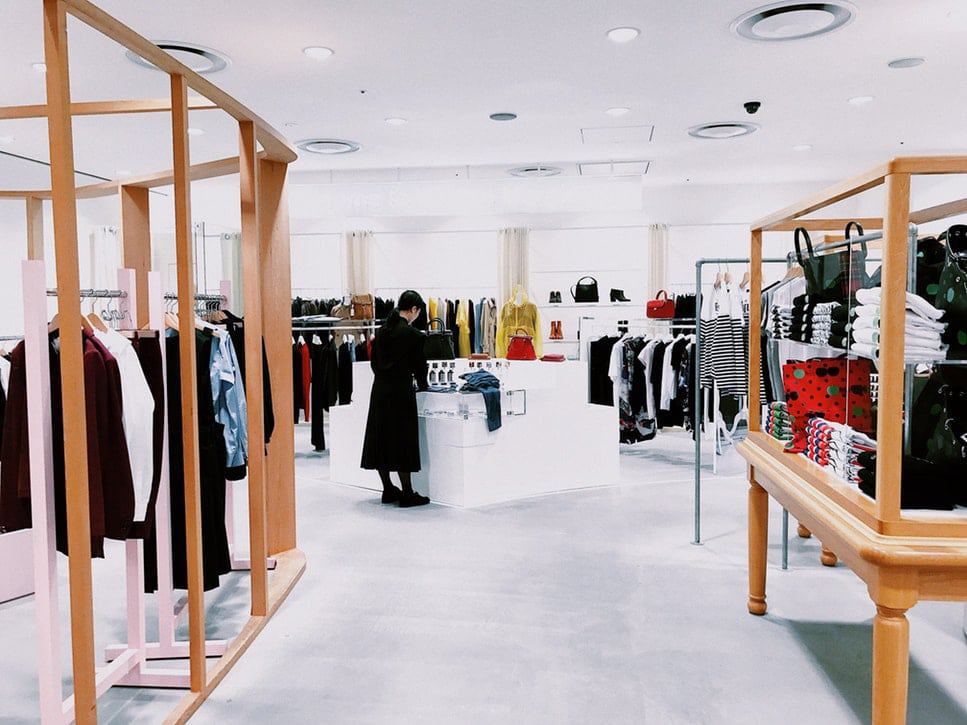
Beyond being theoretical, the challenges associated with point-of-sale maintenance are numerous. It is easy to forget because this factor is often imperceptible at first glance, but maintenance contributes directly to a store’s performance and more globally to the success of the brand and consequently that of the group.
The challenges of optimal maintenance for retail, key points:
Customer experience
A point of sale is, as the name suggests, created to sell. If the customer experience in-store is not optimal, the sale will not happen. One of the primary factors of customer dissatisfaction is neglect in terms of facility upkeep and cleaning. A clean boutique without failures is the gateway to a sale; you wouldn’t pick up a product displayed on a shelf about to collapse!
And to be able to hear and place intervention requests, it is essential that your customer service is trained in these issues.
Brand image
This customer experience naturally converges toward brand image, because more globally, if one of your stores is poorly maintained, the image retained by the customer is disastrous for the rest of the brand, which has a direct impact on the trust placed in it, social media sharing, and sales both in-store and online.
Employee conditions and motivation
The customer is of course the central component in a store’s success, but the employee is the central driver. No sales if there are no employees in the stores, so they must work in good conditions, be proud of their premises, and be motivated to convey a positive message.
➡️ The employees who handle maintenance must also be motivated to be effective and responsive; often what they lack for direct job satisfaction is the lack of adapted tools that allow for perfect management and tracking of indicators.
Customer and employee safety
If we had to choose only one challenge, it would be this one. Neglected or disorganized maintenance can lead to oversights and more or less dramatic events, disastrous humanly and for the brand image.
Regulation
No need to expand on this category; it is obvious that there are strict regulations for maintenance that must be followed, and a failure can result in a temporary or permanent closure of the store, notably for safety reasons.
Store viability
If you combine all the challenges above, the viability of the store and therefore the concept depends indirectly on the quality and management of your maintenance for points of sale. And although on-site teams can work miracles, they cannot maintain, present, and sell all at once. Today, maintenance support tools such as CMMS should be a priority for the group. Even if most of your sales are online, the proper maintenance of your “flagship stores” is decisive for the brand’s positioning.
3. Recurring problems encountered by retailers

Store maintenance expectations
Performance
Achieve savings in management and reduce direct and indirect purchasing costs.
Responsiveness
Improve customer & occupant experience by responding quickly to intervention requests & tickets.
Focus
Have employees who no longer perform repetitive, low-value-added actions.
Costs
Make the maintenance department organization flexible and high-performing remotely.
Reporting
Benefit from high-performance indicators to manage maintenance.
Areas for improvement
To meet these expectations, the key points are:
– The priority is to collect precise and quantified data
– Analyze and rely on this data to decide and adjust
– Promote preventive and improvement maintenance
– Study costs and responsiveness via collected data to consider outsourcing or in-house technicians
– Give the team the means to succeed by providing the necessary tools, such as a retail CMMS software
– Evaluate customer and employee satisfaction with store maintenance
– Test new maintenance models supported by tangible data
– Enable decision-makers to understand maintenance challenges and costs via quantified reports
Focus on the next-generation retail CMMS
Bob! Desk
Many networks still use Excel spreadsheets to try to manage their maintenance, yet new retail CMMS solutions are much easier to use and provide relevant indicators for your maintenance management, cost control, and an ideal level of execution quality.
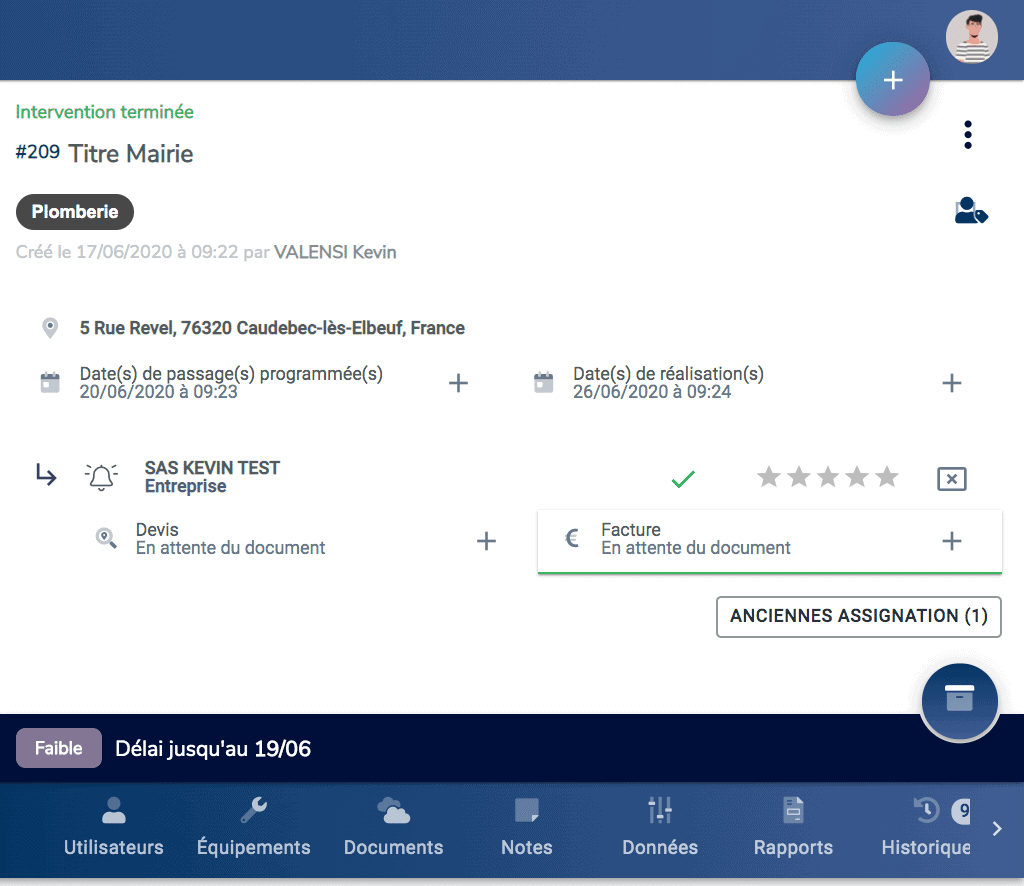
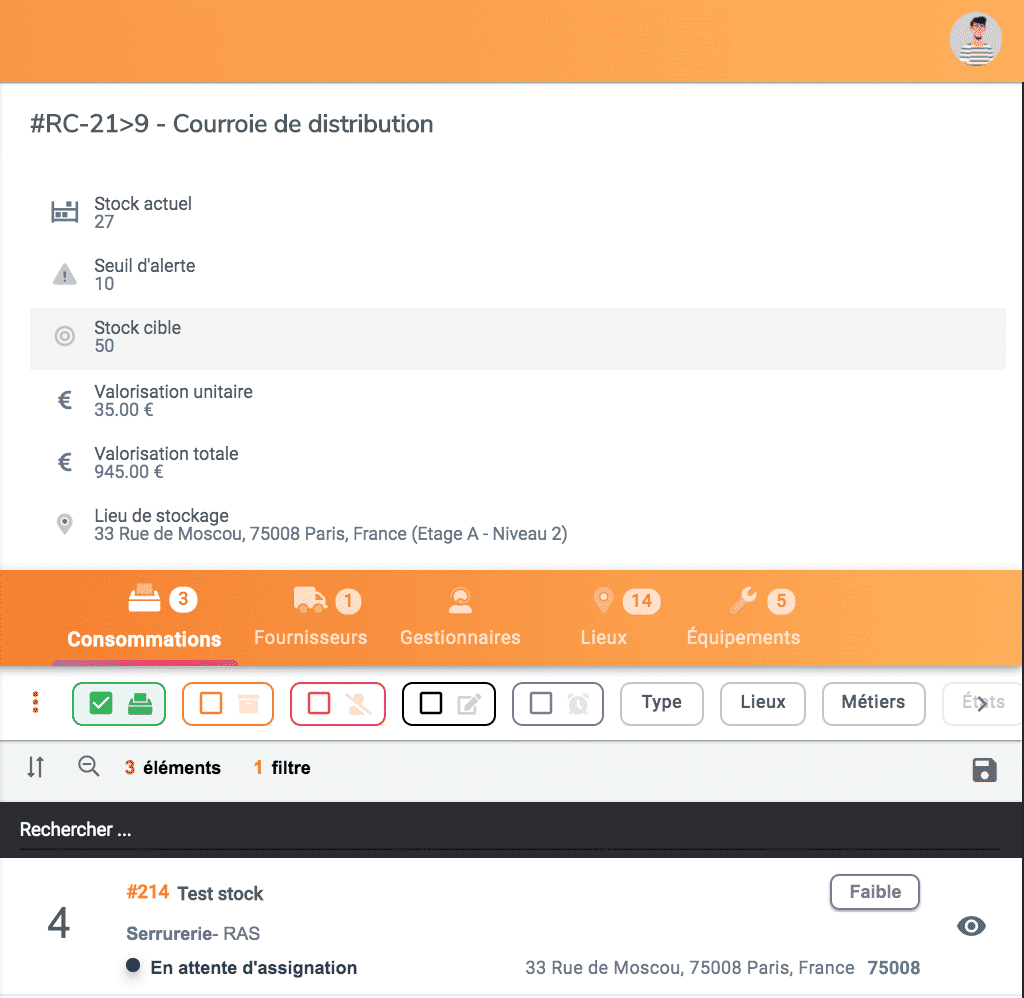
The SaaS solution, Bob! Desk, simplifies store maintenance management by allowing you to efficiently process your curative intervention requests, automate your preventive maintenance, manage your service providers, and track your tickets, all while monitoring precise data adapted to your sector.
➡️ Discover the CMMS Bob! Desk with all the features adapted to your needs 👇👇
Maintenance
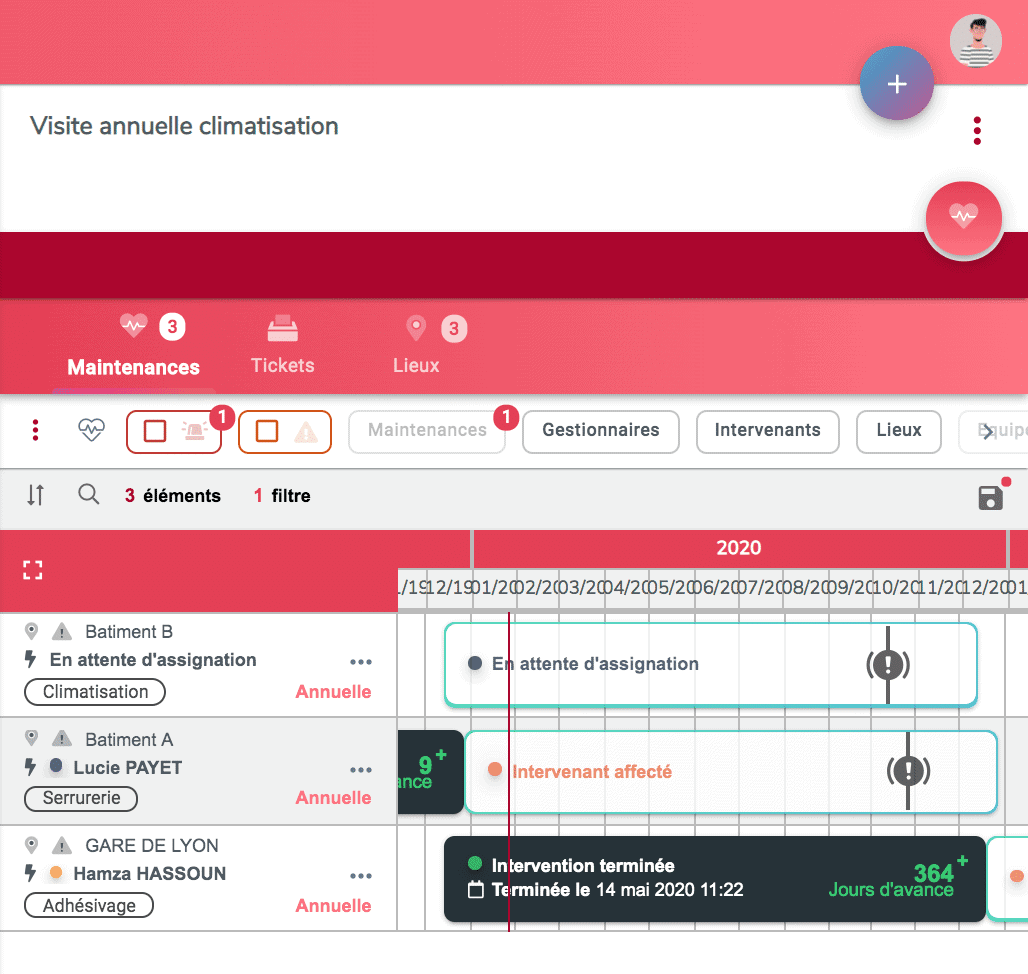
Equipment
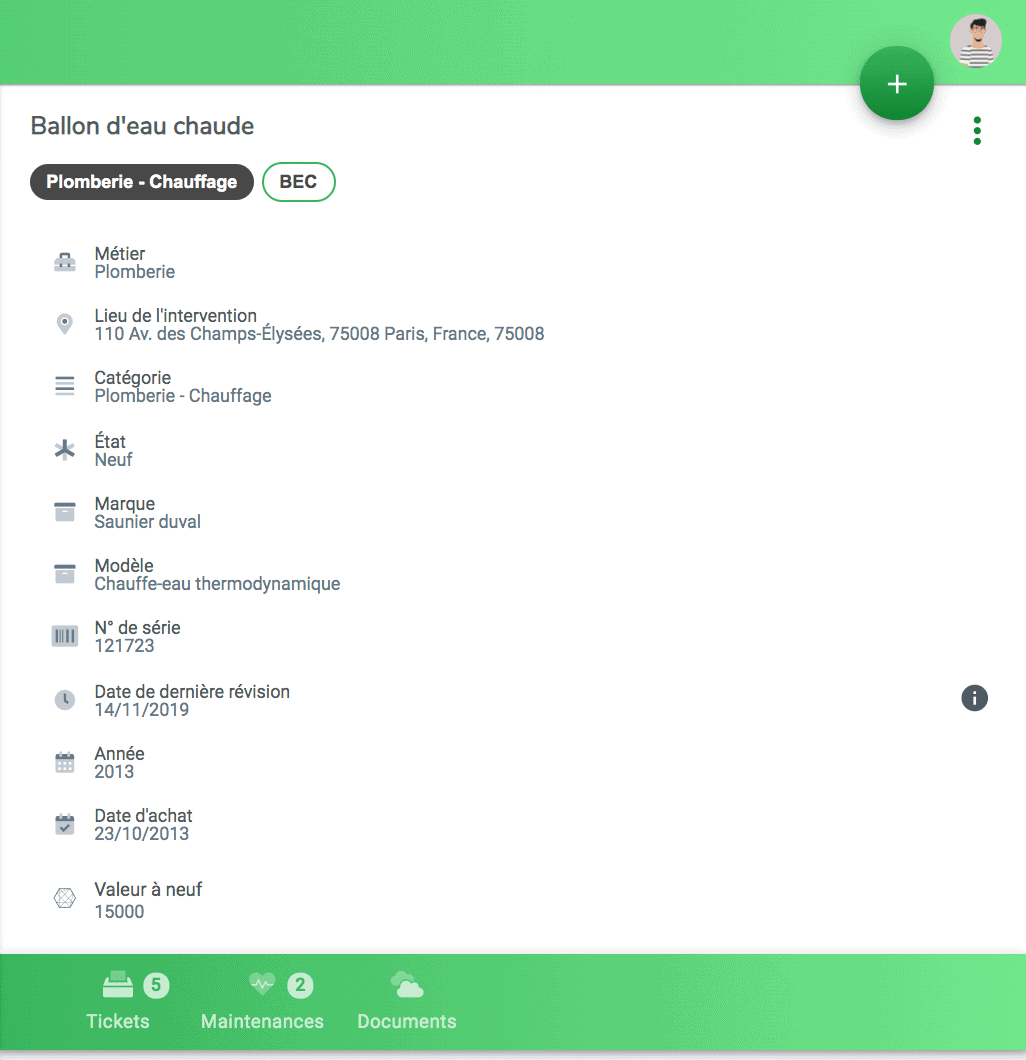
Tickets
Inventory
How does Bob! Desk meet your maintenance expectations
for your retail business?
Allows you to save an average of 3h20 per week
Allows you to make decisions thanks to data tracked in the dashboard
Allows you to track the history of a specific location
Allows you to contact a service provider directly via the ticket

Bob! Desk is a software, but we offer complementary services to truly simplify your maintenance:

Directory
Is your service provider overwhelmed? On vacation? Unable to process your urgent ticket?
No problem, on Bob! Desk you can search for a new technical company, certified by our users, and offer them your ticket. Free your mind, we have the solution

Bob! Dépannage
Do you have many tickets but not always the time to search the directory?
Send your ticket directly to Bob! Dépannage on our platform; the service provider that best matches will be automatically assigned to your request.

Management support
Don’t have the knowledge, time, or resources to find the service provider that matches your needs? Entrust this task to the Bob! Desk team and focus on more important tasks; we take care of everything!
4. Case studies: problem-solving provided by Bob! Desk
After 4 months of use, our clients have seen a more than significant improvement in their maintenance management; they share their figures and experience with you.
70%
of ticket entry time saved
-45%
of processing and management costs
The multiplication of Excel files had become commonplace, with the management of X store repositories. Given the volume of interventions and the time spent consolidating and verifying data, implementing a CMMS solution was an obvious choice. Bob! Desk was selected for the simplicity of its solution for users, its startup spirit, and its ability to support us over the long term.
Discover the study and all client testimonials:

Cap Invest, 30 stores
How did Cap Invest reorganize the maintenance of its 30 stores to save time and improve quality?
Read the case study →

TheKase, 70 stores
How did TheKase decrease the maintenance costs of its stores?
Read the case study →

Blachère Group, 750 stores
How did the Blachère Group optimize its performance to support its strong growth?
Read the case study →
They chose us to ensure their store maintenance




Guides for your points of sale

How to increase store traffic?

How to improve customer service quality?
You can communicate whatever you want in your marketing campaigns, project a friendly, ethical, or luxury image, but if the quality of customer service does not follow your direction, you will lack consistency, and customers will flee. So how do you provide the best customer experience?

Our retail CMMS software comparison!
Many of you search Google and find many solutions unsuited to your needs. That’s why we designed this retail CMMS software comparison for you. Because it is essential to find the tool that specifically meets your needs!