

Security Systems for Stores: A Maintenance Manager’s Guide

Security Systems for Stores: What You Need to Know 👇
The guide for maintenance managers of store security systems offers an overview of the different types of security systems available, such as video surveillance systems, alarm and intrusion detection systems, and access control systems.
This guide will help you understand the benefits of each system, choose the right system based on your store’s specific needs, and ensure effective installation and management of security systems. Find all our CMMS solutions for retail and shops
Why are security systems important for stores?
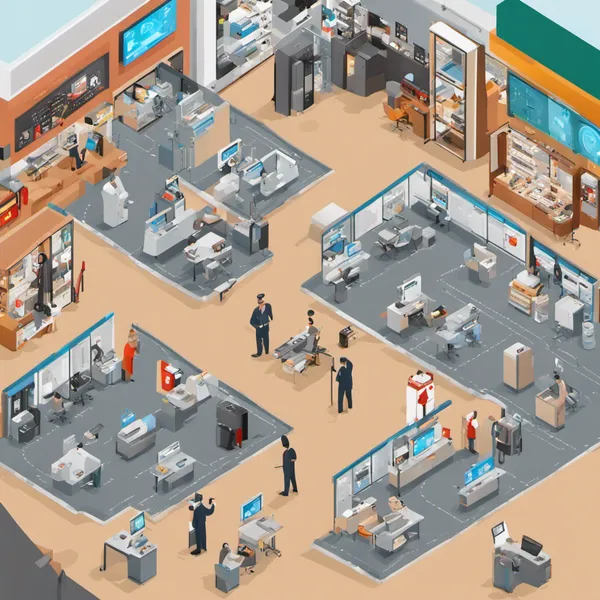
Security systems play a crucial role in protecting stores against risks and undesirable incidents. They are essential for ensuring the safety of assets, employees, and customers. Here are some reasons why security systems are so important for stores:
- Theft Prevention: Security systems, such as surveillance cameras and alarm systems, deter potential thieves and reduce the risk of theft.
- Protection against vandalism: Security systems help prevent acts of vandalism, such as property destruction or graffiti, by deterring malicious individuals.
- Employee and customer safety: Security systems ensure the safety of employees and customers by detecting intrusions and quickly reporting dangerous situations.
- Real-time monitoring: Video surveillance systems allow real-time monitoring of the store, enabling quick detection of any suspicious behavior or abnormal situations.
By investing in reliable and effective security systems, stores can create a safe and secure environment for their employees and customers. These systems offer peace of mind and help prevent financial losses and material damage. It is therefore essential for any store manager to consider the importance of security systems and implement adequate measures to ensure the store’s protection.
The different types of security systems for stores
There are several types of security systems for stores, each with its own characteristics and advantages. Here are some of the commonly used types of security systems:
- Video surveillance systems: These systems use surveillance cameras to record and monitor activities in and around the store. They help deter potential thieves and provide evidence in case of an incident.
- Alarm and intrusion detection systems: These systems detect any attempt at intrusion or unauthorized access to the store. They can be equipped with motion sensors, glass break detectors, and other devices to alert security personnel in case of an incident.
- Access control systems: These systems allow control over access to the store by only authorizing permitted individuals to enter. They can be equipped with card readers, keypads, or fingerprint readers to identify individuals and grant them access.
Each type of security system has its own advantages, and it is important to choose the one that best suits the specific needs of the store. It is also essential to consider factors such as store size, the nature of products sold, and potential risks.
By implementing the right security systems, stores can enhance their protection and reduce the risks of theft, vandalism, and other undesirable incidents. They also offer peace of mind to employees and customers, creating a safe and secure environment. It is therefore essential for any store manager to understand the different types of security systems available and choose those that best meet the store’s needs.
Video Surveillance Systems
Video surveillance systems are one of the most commonly used types of security systems in stores. They are essential for ensuring the safety and monitoring of activities in and around the store. Video surveillance cameras can be placed in strategic locations to capture images in real time.
These video surveillance systems help deter potential thieves by warning them of the presence of cameras. In the event of an incident, video recordings can serve as valuable evidence to identify perpetrators and resolve security issues.
It is important to choose the right video surveillance system for your store, taking into account factors such as image quality, storage capacity, network connectivity, and remote monitoring features. Proper installation and configuration of surveillance cameras are also essential to ensure effective monitoring.
How to choose the right video surveillance system for your store?
Choosing the right video surveillance system for your store is essential to ensure optimal security. Here are some tips to help you make the best decision:
- Determine your needs: Identify the key areas you want to monitor in your store and assess potential risks. This will help you determine the number of cameras needed and the required features.
- Image quality: Opt for video surveillance cameras with high resolution for clear and detailed images. Also, ensure that the cameras have night vision for effective monitoring even in darkness.
- Storage and connectivity: Choose a surveillance system that offers sufficient storage capacity to record videos over an extended period. Also, ensure that the system has network connectivity to access videos remotely.
- Advanced features: Some video surveillance systems offer advanced features such as motion detection, facial recognition, or remote monitoring via a mobile application. Evaluate these features based on your specific needs.
- Professional installation: It is recommended to use professionals for the installation and configuration of surveillance cameras. They will ensure that the cameras are correctly positioned and that the system is operational.
Take the time to compare the different video surveillance systems on the market and ask for recommendations from security experts. By choosing the right video surveillance system, you can enhance your store’s security and have peace of mind.
Installation and configuration of surveillance cameras
The installation and configuration of surveillance cameras are crucial steps to ensure effective monitoring of your store. Here are some tips to follow:
- Strategic positioning: Place surveillance cameras in strategic locations to cover key areas of your store, such as entrances, cash registers, and storage areas.
- Viewing angles: Adjust the cameras’ viewing angles to obtain maximum coverage and avoid blind spots. Ensure that the cameras capture important areas without obstructions.
- Network connection: Ensure that the surveillance cameras are properly connected to your network. Check the connection quality and ensure that the cameras can be accessed remotely if necessary.
- Parameter configuration: Configure the surveillance cameras’ settings according to your needs. This may include defining video resolution, scheduling recordings, and setting up alert notifications for suspicious activity.
- Testing and maintenance: Perform regular tests to ensure that the cameras are functioning correctly. Also, perform regular maintenance to clean the cameras and check connections.
It is recommended to use professionals for the installation and configuration of surveillance cameras. They have the necessary expertise to ensure correct installation and optimal camera configuration.
Once surveillance cameras are properly installed and configured, they will play an essential role in your store’s security. They will allow you to monitor activities, deter potential thieves, and provide evidence in case of an incident.
Alarm and Intrusion Detection Systems
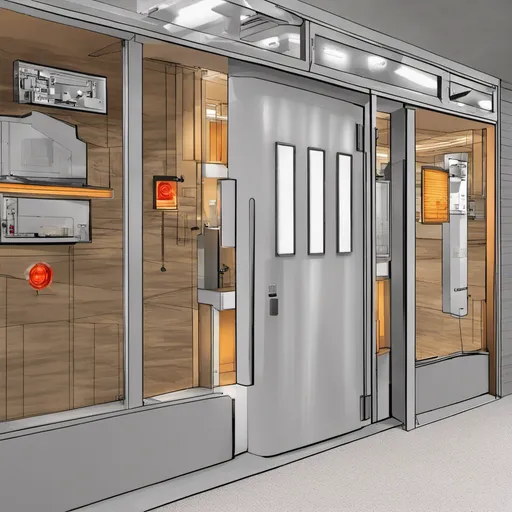
Alarm and intrusion detection systems are essential components of security systems for stores. They are designed to detect any attempt at intrusion or unauthorized access to the store, and to quickly alert security personnel.
These systems can be equipped with motion sensors, door and window opening detectors, as well as other detection devices. When an intrusion is detected, the system triggers an audible alarm and/or sends a notification to a monitoring station or security personnel.
Alarm and intrusion detection systems are particularly effective in deterring potential intruders and reducing the risks of theft and vandalism. They also offer peace of mind to employees and customers by creating a secure environment.
It is important to choose and install an alarm system adapted to your store’s specific needs. Use professionals for the installation and configuration of the system, to ensure that it operates optimally and meets security standards.
The advantages of alarm systems for stores
Alarm systems offer numerous advantages to stores in terms of security and protection. Here are some of the main benefits:
- Deterrence of intrusions: The mere presence of an alarm system deters potential intruders. Visible alarm panels and audible warnings make thieves think twice before attempting an intrusion.
- Rapid alert in case of intrusion: Alarm systems quickly detect any intrusion or unauthorized access attempt to the store. They trigger an audible alarm and/or send a notification to security personnel, allowing for rapid intervention.
- Protection of assets: Alarm systems help protect store assets, such as merchandise, equipment, and cash. They help prevent theft and acts of vandalism.
- Peace of mind: Alarm systems offer peace of mind to employees and store owners by creating a secure environment. They allow one to feel safe and focus on the store’s daily activities.
- Integration with other security systems: Alarm systems can be integrated with other security systems, such as video surveillance systems and access control systems, for comprehensive store protection.
By installing a reliable and effective alarm system, stores can reduce the risks of theft, vandalism, and other undesirable incidents. They create a safe environment for employees and customers, while protecting assets and offering peace of mind. It is therefore essential for any store manager to consider installing an alarm system adapted to their security needs.
How to choose and install an alarm system for your store
Choosing and installing an appropriate alarm system for your store is essential to ensure optimal security. Here are some tips to follow:
- Assess your needs: Identify the key areas of your store that require protection and assess potential risks. This will help you determine the type of alarm system you need.
- Choose a reliable system: Research different alarm system manufacturers and suppliers. Opt for a reputable company that offers reliable and high-quality systems.
- Determine necessary features: Select the features you need, such as motion detectors, door and window opening sensors, sirens, remote notifications, etc.
- Use professionals: It is recommended to use professionals for the installation of the alarm system. They have the necessary expertise to position detectors correctly and configure the system optimally.
- Test and maintain the system regularly: Once the system is installed, perform regular tests to ensure it is functioning correctly. Also, perform regular maintenance to clean detectors and check connections.
By correctly choosing and installing an alarm system for your store, you can enhance security and protect your assets against theft and acts of vandalism. Be sure to follow manufacturer recommendations and use professionals for a successful installation.
Access Control Systems
Access control systems are essential tools for managing access to restricted areas in stores. They allow control over who can enter certain areas and when. Access control systems can be used for entrance doors, sensitive storage areas, offices, and other restricted zones.
There are different types of access control systems, such as card readers, keypads, fingerprint readers, and facial recognition systems. These systems allow authorized individuals to be identified and granted access using cards, codes, or their fingerprints.
Access control systems offer several advantages, including the prevention of unauthorized intrusions, the protection of assets and sensitive information, and the ability to generate access reports for security and compliance reasons.
To choose the right access control system for your store, it is important to evaluate your specific needs, consider the necessary features, and use professionals for the installation and configuration of the system. By implementing an effective access control system, you can enhance your store’s security and protect sensitive areas from unauthorized access.
The different types of access control systems for stores
There are different types of access control systems for stores, offering options adapted to various security needs. Here are some of the commonly used types of access control systems:
- Card readers: These systems use identification cards to grant access to restricted areas. Users must present their card in front of a reader to be authorized to enter.
- Keypads: Access control systems with keypads require the entry of a PIN code to access a restricted area. This offers a practical and economical solution for controlling access.
- Fingerprint readers: These systems use fingerprint recognition to identify authorized individuals. They offer a high level of security and eliminate the need for cards or PIN codes.
- Facial recognition systems: Access control systems based on facial recognition use algorithms to identify authorized individuals by analyzing their unique facial features. This is an advanced technology that offers high accuracy.
Each type of access control system has its own advantages and disadvantages. It is important to evaluate your specific security needs and choose the system that best suits your store. It is also recommended to use professionals for the installation and configuration of the access control system, to ensure its proper functioning and reliability.
Installation and management of access control systems
The installation and management of access control systems are essential steps to ensure effective security in stores. Here are some tips to help you with these processes:
- Installation planning: Identify the key areas that require access control and determine the appropriate type of access control system. Also, plan the necessary wiring to connect readers to control devices.
- Professional installation: Use professionals for the installation of the access control system. They have the necessary expertise to position readers correctly, ensure a reliable connection, and configure the system optimally.
- User management: Create user profiles and assign access permissions based on needs. Also, manage user updates and modifications over time.
- Monitoring and auditing: Regularly monitor access activities and generate reports to identify anomalies and unauthorized access attempts.
- Regular maintenance: Perform regular maintenance on access control systems to ensure they are functioning correctly. Clean readers and control devices, check connections, and perform necessary software updates.
Proper installation and management of access control systems ensure effective and secure use. Use qualified professionals to assist you throughout the process, and be sure to follow best management practices to maintain your store’s security.
An expert team at your service
Choosing Bob! Desk and our CMMS software also means choosing a team, based in Paris, available from 8 AM to 10 PM, 6 days a week, to answer all your potential questions.
A passionate, responsive team that loves to clink glasses with its clients! 🍾
Alright, see you soon!