

Retail space management: a key challenge for maintenance managers

Retail space management: What you need to know👇
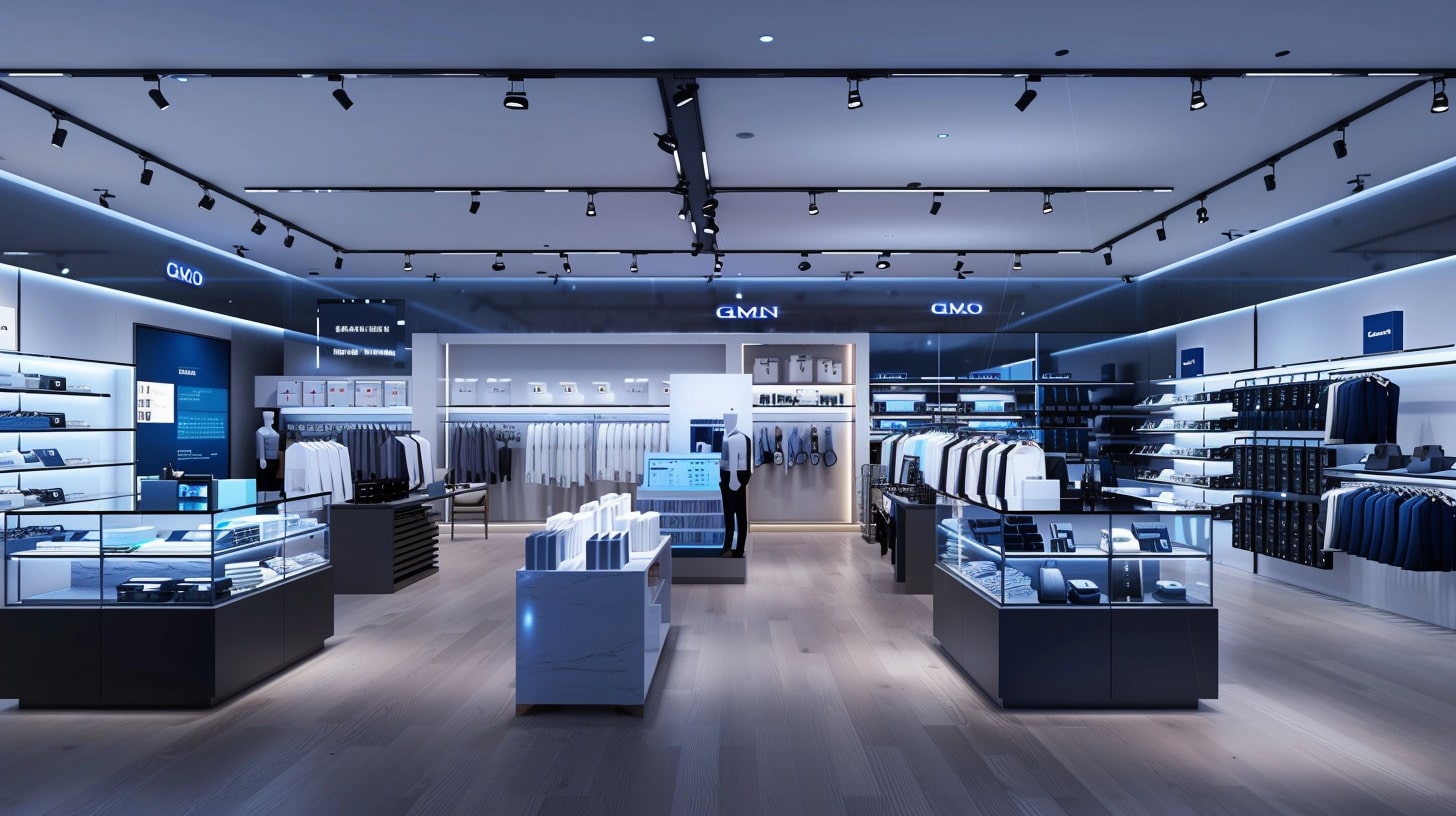
What is retail space management?
Retail space management is an essential process in the retail industry. It involves planning, organizing, and optimizing the layout of available space in a store to maximize operational efficiency and improve the customer experience.
This management involves several key aspects. First, it involves determining the optimal layout of various elements in the store, such as aisles, displays, checkout counters, and traffic areas. The goal is to facilitate customer navigation, make products easily accessible, and encourage impulse sales.
Next, retail space management aims to create a pleasant and attractive atmosphere for customers. This can include elements such as lighting, background music, decoration, and product highlighting. The goal is to spark customer interest, create a memorable experience, and encourage them to return.
Another important aspect of retail space management is inventory management. It is essential to ensure that products are correctly labeled, well-organized, and in sufficient quantities. This helps avoid stockouts, optimizes the use of storage space, and facilitates the work of employees during inventory management.
In summary, retail space management is a strategic process aimed at optimizing the organization, attractiveness, and profitability of a store. By implementing effective space management, retailers can improve the customer experience, increase sales, and stand out from the competition.
The importance of retail space planning
Retail space planning is of paramount importance in the retail sector. Indeed, effective retail space planning can have a significant impact on a store’s commercial performance.
First, retail space planning allows for the optimization of available space. By analyzing customer traffic flows and identifying key areas, retailers can layout their store to maximize operational efficiency. This includes the arrangement of aisles, displays, and checkout counters, as well as the creation of spaces dedicated to special promotions or flagship products.
Furthermore, retail space planning contributes to improving the customer experience. By creating a clear and intuitive layout, retailers facilitate customer navigation within the store. This allows them to find desired products more easily, explore new offers, and make purchases in a more pleasant and frustration-free manner.
Effective retail space planning also optimizes product presentation. By highlighting products attractively, retailers can capture customer attention and spark interest. This can be achieved through carefully designed displays, appropriate lighting, and impactful visual staging.
Finally, retail space planning helps maximize sales and profitability. By optimizing the store layout and highlighting the most popular or profitable products, retailers can increase the chances of purchase and upselling. Additionally, better organization of the retail space reduces losses related to inefficient inventory management and product deterioration.
Basic principles of retail space management
Retail space management is based on fundamental principles that are essential for ensuring an effective and optimized store layout. These principles help create an environment conducive to sales and a pleasant customer experience.
First, one of the key principles is to maximize the use of available space. This means that every square inch of the store must be used strategically. It is important to optimize the layout of aisles, displays, and checkout counters to facilitate customer flow and highlight products.
Another important principle is to adopt a segmentation approach to the retail space. This involves dividing the store into different zones, each with a specific objective. For example, one zone may be dedicated to promotional products, while another zone may be reserved for high-end products. This allows for targeting different types of customers and creating attractive and relevant spaces.
Clarity and visibility are also fundamental principles of retail space management. It is essential to adopt a clear and intuitive layout that allows customers to easily find the products they are looking for. This involves using signage, legible price tags, and a consistent visual presentation.
Finally, flexibility is another important principle. Retailers must be able to modify and adjust the retail space layout according to changing needs, seasons, or special promotions. This helps maintain customer interest and optimize sales throughout the year.
Analysis of existing retail space
Analyzing the existing retail space is an essential step in retail space management. It allows for an understanding of how the space is currently used and identifies opportunities for improvement.
During this analysis, it is important to observe customer traffic flows, congestion zones, and less frequented areas. This helps determine if the space is being used optimally and if adjustments are needed to improve flow and efficiency.
In addition to observation, it can be useful to collect quantitative data, such as customer dwell time in different areas of the store, conversion rates, and sales per square meter. This data provides valuable information for evaluating the performance of the retail space and identifying areas with high growth potential.
Once the analysis is complete, the results can be used to propose adjustments to the retail space layout. This may include reorganizing aisles, creating themed zones, or modifying the arrangement of displays. The goal is to optimize space utilization and improve the customer experience to drive sales and loyalty.
Evaluating retail space efficiency
Evaluating the efficiency of the retail space is a crucial step in retail space management. It allows for measuring and analyzing how the space is used and identifying opportunities for improvement to optimize business results.
To evaluate retail space efficiency, it is important to collect both quantitative and qualitative data. Quantitative data may include metrics such as sales per square meter, conversion rate, customer dwell time, and average basket size. This data provides a clear indication of the retail space’s performance.
Qualitative data can be gathered through direct observations, staff interviews, and customer feedback. This allows for collecting information on customer perception of the space, ease of navigation, product visibility, and the overall experience.
Once the data is collected, it is possible to analyze the results to identify the strengths and weaknesses of the retail space. For example, it may be found that certain areas of the store attract fewer customers or that certain products are poorly positioned. This information allows for making informed decisions to improve the efficiency of the retail space.
Adjustments may include reorganizing aisles, highlighting certain products, improving signage, or optimizing customer flow. The goal is to optimize the customer experience, increase sales, and maximize the profitability of the retail space.
Identifying problem areas
Identifying problem areas within the retail space is a crucial step for improving efficiency and the customer experience. This involves identifying zones that pose challenges or are not functioning optimally.
To identify problem areas, it is important to consider several factors. First, direct observation is essential. By observing customer traffic flows and analyzing their behavior, one can spot areas where customers encounter difficulties or spend less time. For example, a cluttered or poorly organized area can create bottlenecks and slow down customer movement.
Next, it is important to gather feedback from customers and staff. Customers can provide valuable information about their experiences, frustrations, and suggestions for improvement. Staff, on the other hand, can share observations about the difficulties they encounter while working in the retail space.
Once problem areas are identified, solutions can be proposed to improve them. This may include adjustments to aisle layouts, the creation of new points of interest, or improved signage. The goal is to resolve the identified issues and optimize the customer experience in these specific areas.
In summary, identifying problem areas in the retail space is a key step for improving efficiency and the customer experience. By observing, gathering feedback, and proposing solutions, it is possible to create a smoother, more pleasant retail space that is more conducive to sales.
Improving flow and accessibility
Improving flow and accessibility within the retail space is essential for providing a smooth and pleasant customer experience. Efficient flow allows customers to move easily through the store and access products conveniently.
To improve flow, it is important to consider several aspects. First, the layout of aisles and displays must be optimized to allow for easy navigation. Aisles should be wide enough to allow multiple customers to pass each other without difficulty.
Next, signage plays a key role in customer orientation. Clear and well-positioned signs allow customers to easily locate different sections of the store and quickly find the products they are looking for.
It is also important to ensure that the retail space is accessible to everyone. This includes installing ramps or elevators for people with reduced mobility, as well as access areas reserved for strollers or carts.
By improving flow and accessibility, retailers can create a more pleasant customer experience and stimulate sales. Customers will be more likely to stay longer in the store, explore more products, and make additional purchases.
In summary, improving flow and accessibility in the retail space is a key element in providing a quality customer experience. By optimizing the layout, implementing clear signage, and ensuring accessibility for all, retailers can create a welcoming environment conducive to sales.
Retail space optimization
Optimizing the retail space is essential for maximizing efficiency and a store’s commercial results. Here are some key principles for optimizing retail space:
- Organize aisles in a logical and intuitive manner to facilitate customer navigation.
- Use attractive and well-positioned displays to highlight products.
- Create themed zones to capture customer attention and spark interest.
- Optimize the layout of checkout counters to encourage impulse sales.
- Use clear and effective signage to guide customers through the store.
By applying these principles, retailers can improve the customer experience, stimulate sales, and maximize the use of available space.
Product and display layout
The layout of products and displays plays a crucial role in optimizing the retail space. An effective layout helps highlight products, facilitates customer searches, and encourages sales.
For an effective layout, it is important to consider several factors. First, it is essential to group products in a logical and consistent manner. For example, similar or complementary products can be placed near each other to facilitate comparison and purchase.
Next, it is important to create attractive focal points to draw customer attention. This can be achieved by using special displays or shelves to highlight flagship products or new arrivals. Promotional products can also be featured to stimulate sales.
Product visibility is also a crucial aspect. It is important to ensure that products are easily visible and accessible to customers. This can be achieved by avoiding visual obstructions, keeping aisles tidy, and using clear signage.
Finally, it is important to take seasonality and trends into account. Seasonal products should be featured at the right time, while trendy products can be placed in strategic areas to attract customers looking for the latest items.
By optimizing the layout of products and displays, retailers can improve the customer experience, stimulate sales, and maximize the use of the retail space.
Using visual techniques to attract attention
Using visual techniques is an effective strategy for attracting customer attention in the retail space. Attractive and eye-catching visual elements can spark customer interest and encourage them to explore the store further.
To attract attention, it is important to create visual focal points. This can be achieved by using elements such as bright colors, special lighting, or original displays. For example, a wall of screens displaying promotional videos can catch customers’ eyes and encourage them to discover the products.
Flagship products can also be highlighted using an attractive visual presentation. This can include the use of special displays, visual aids, or interactive demonstrations. By using creative visual techniques, retailers can create engaging visual experiences for customers.
It is also important to maintain the overall presentation of the retail space. Products should be well-organized and aesthetically aligned. Clear and legible labels facilitate customer searches and allow them to make quick purchasing decisions.
Finally, signage plays a crucial role in the use of visual techniques. Clear and well-positioned signs guide customers through the store and direct them toward products or special promotions.
By using effective visual techniques, retailers can attract customer attention, stimulate sales, and create a memorable visual experience in the retail space.
Stock and inventory management
Stock and inventory management is a crucial aspect of retail space management. Effective management helps maintain appropriate stock levels, avoid stockouts, and maximize profitability.
To manage stock, it is important to closely monitor product movements. This includes receiving goods, storage, stock rotation, and replenishment. Using an inventory management system can facilitate this process and allow retailers to keep an accurate track of available quantities.
Effective stock management ensures that products are available in sufficient quantities to meet customer demand. This avoids lost sales due to stockouts and helps maintain a high level of service.
In addition to stock management, inventory management is also essential. This involves tracking and managing the quantities of products available in the store. This allows for the quick detection of obsolete or slow-moving products and taking measures to eliminate or promote them.
Accurate inventory also helps optimize the retail space. By identifying products that sell well and those that sell less, retailers can adjust the layout of aisles and displays to feature the most popular products.
In summary, stock and inventory management is a key element of retail space management. By maintaining appropriate stock levels and effectively managing inventory, retailers can avoid stockouts, maximize sales, and optimize the use of available space.
Tools and technologies for retail space management
Tools and technologies play an essential role in retail space management. They allow for optimizing operations, facilitating inventory management, and maximizing the efficiency of available space.
Retail space management software offers advanced features for planning and organizing the store layout. It allows for creating virtual mockups, simulating different configurations, and analyzing space performance.
Sales tracking systems allow for collecting real-time data on sales and trends. This enables retailers to make informed decisions regarding product layout, promotions, and stock.
Inventory management solutions automate replenishment processes, inventory tracking, and order management. They help optimize stock levels, reduce stockouts, and improve profitability.
Digital signage technologies, such as digital screens and LED panels, allow for creating attractive visual presentations and highlighting products and promotions.
By using these tools and technologies, retailers can improve the efficiency of retail space management, optimize sales, and offer an exceptional customer experience.
Retail space management software
Retail space management software is a powerful tool for planning, organizing, and optimizing a store’s layout. It offers advanced features that allow retailers to make informed decisions to maximize efficiency and commercial results.
This software allows for creating virtual mockups of the store using precise plans and dimensions. Retailers can simulate different layout configurations and test the impact on customer flow and product accessibility.
Retail space management software also allows for analyzing space performance. Retailers can track key indicators such as sales per square meter, conversion rate, and customer dwell time. This data provides valuable information for evaluating retail space efficiency and making decisions based on tangible data.
Furthermore, this software offers planning and management features for promotions. Retailers can forecast and plan special promotions, integrate them into the space layout, and track their impact on sales.
By using retail space management software, retailers can optimize space utilization, improve customer flow, highlight products, and increase sales. These tools offer a data-driven approach to making strategic decisions and creating an exceptional customer experience.
Sales tracking systems
Sales tracking systems are valuable tools for retailers, allowing them to collect and analyze real-time data on sales and trends. These systems provide increased visibility into commercial performance, enabling retailers to make informed decisions to optimize their retail space.
With a sales tracking system, retailers can track sales by product, aisle, or category. This allows them to identify the best-performing products and feature them in their retail space. They can also detect slow-moving products and take measures to promote or remove them from stock.
The data collected by sales tracking systems also allows for analyzing customer trends and purchasing behaviors. Retailers can identify demand peaks, slow periods, and the most popular seasonal products. This information helps in planning promotions, adjusting stock levels, and optimizing space allocation.
Furthermore, sales tracking systems can be integrated with other management systems, such as inventory management and retail space management software. This allows for effective data synchronization and a complete overview of business performance.
By using sales tracking systems, retailers can make decisions based on tangible data and react quickly to market changes. This allows them to optimize their retail space, increase sales, and provide a personalized and satisfying customer experience.
Inventory management solutions
Inventory management solutions are essential tools for retailers, allowing them to effectively manage their stock levels, orders, and inventories. These solutions automate inventory management processes, which helps reduce errors, optimize stock levels, and maximize profitability.
With an inventory management solution, retailers can track available product quantities, stock movements, and demand levels in real time. This allows them to make informed decisions on replenishment, promotions, and price adjustments.
Inventory management solutions can also help forecast future demand by analyzing sales trends and customer purchasing behaviors. This allows retailers to better plan their orders, reduce stockouts, and minimize excess stock.
These solutions also offer features to optimize the use of storage space. Retailers can identify high-turnover products and place them in easily accessible areas. They can also use grouping techniques to reduce the space used and facilitate inventory management.
By integrating inventory management solutions with other systems, such as point-of-sale systems and retail space management systems, retailers can synchronize data and have a global view of their business. This allows them to make more precise decisions and optimize their retail space to maximize sales and profitability.
In summary, inventory management solutions are essential tools for retailers. By automating inventory management processes, these solutions help optimize stock levels, reduce stockouts, and maximize the use of the retail space.
An expert team at your service
Choosing Bob! Desk and our CMMS software also means choosing a team, based in Paris, available from 8 AM to 10 PM, 6 days a week, to answer any questions you may have.
A passionate, reactive team that loves to toast with its clients! 🍾
See you soon!