

Optimizing Store Layout

Customer Assistance at the Point of Sale: What You Need to Know 👇
By analyzing available space and traffic flows, maintenance managers can identify areas for improvement and optimize the customer journey through the store. Product placement and inventory management must also be optimized to make it easier for customers to find items and to avoid stockouts.
Lighting plays a crucial role in a store, as it influences the atmosphere and highlights products. Clear and effective signage allows customers to navigate easily and find what they are looking for. Finally, appropriate security measures must be implemented to ensure the safety of customers and staff. Discover our CMMS solution and software for retail
The Importance of Store Layout
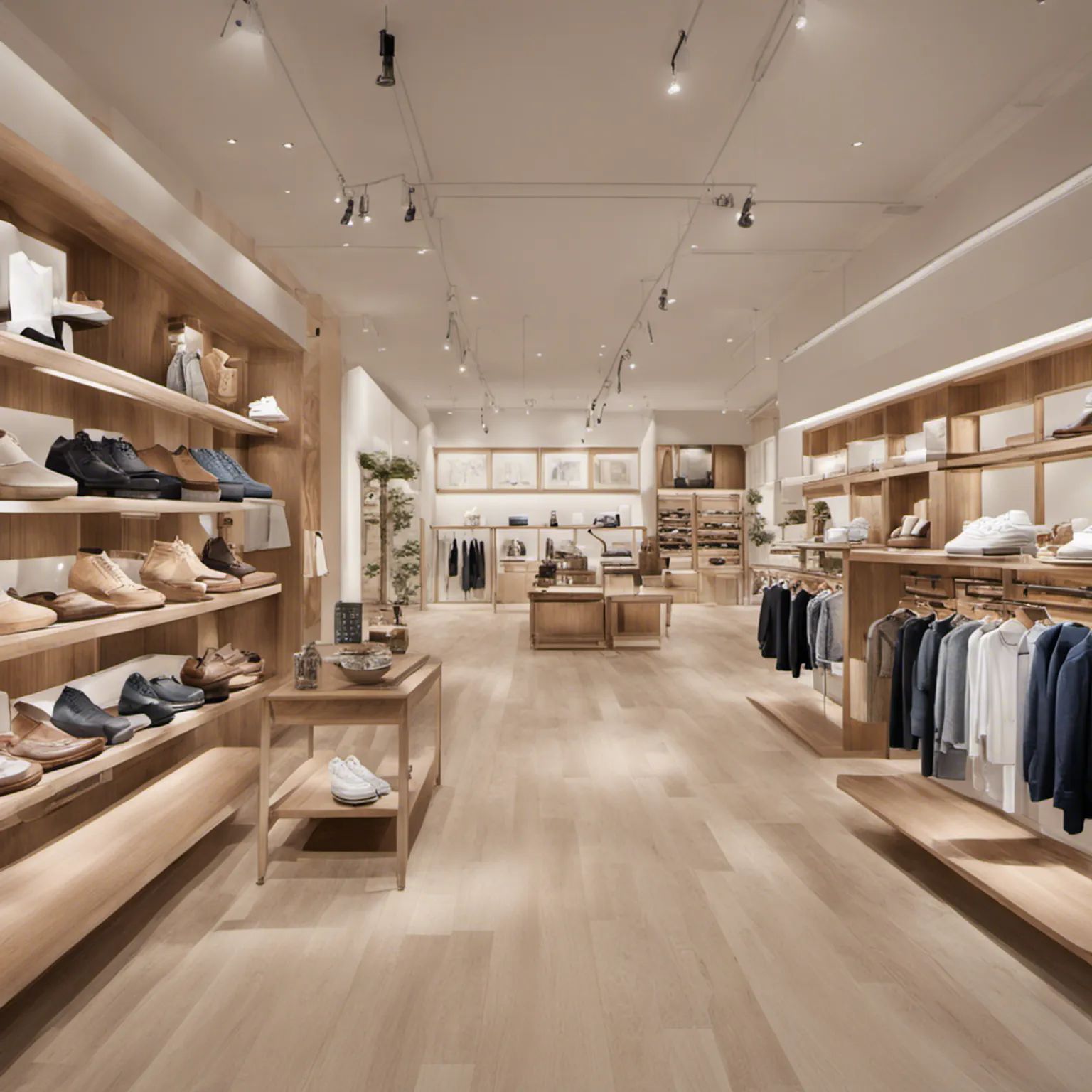
A thoughtful layout allows for the optimization of available space. Aisles should be wide and clear to allow for fluid customer movement. Products should be arranged in a logical and attractive manner, highlighting flagship products and creating themed zones.
A store’s layout must also take into account customer consumption habits. For example, essential goods should be placed in strategic locations, such as near the entrance or checkouts, to encourage impulse purchases.
A good layout also allows for effective inventory management. Products must be correctly labeled and organized to facilitate restocking operations. This helps avoid stockouts and optimizes product rotation.
This contributes to the brand image and the perception of quality by customers. A well-organized store conveys a professional and polished image, which strengthens customer trust and encourages them to return.
Main Objectives of Layout Optimization
Optimizing store layout aims to achieve several key objectives. First, it involves improving the customer experience by making it easier to find products, creating a pleasant atmosphere, and providing a comfortable shopping environment.
Another important objective is optimizing sales. A well-designed layout highlights products, encourages impulse purchases, and optimizes the presentation of promotions and new arrivals.
Furthermore, layout optimization aims to maximize the use of available space. This allows for optimized product placement, the creation of wide and clear aisles for fluid customer movement, and optimized inventory management.
Layout optimization also contributes to strengthening the store’s brand image. A polished and professional layout conveys an image of quality, reliability, and professionalism, which builds customer trust and encourages repeat visits.
Finally, another key objective of layout optimization is to improve the store’s operational efficiency. A well-thought-out layout facilitates restocking operations, reduces checkout wait times, and makes staff work easier.
Space Analysis and Traffic Flow
Analyzing space and traffic flow is an essential step in optimizing a store’s layout. This analysis helps understand how customers move through the store, where the hotspots and congestion zones are, and how to optimize the layout for fluid movement.
By carefully studying the available space, maintenance managers can determine areas for improvement, such as aisles that are too narrow or poorly utilized areas. By optimizing traffic flows, product searching can be made easier, wait times reduced, and the overall customer experience improved.
Study of Available Space and Constraints
Studying available space and constraints is a crucial step in optimizing a store’s layout. It determines the physical limits of the store as well as specific constraints related to its location, architecture, and configuration.
During this study, maintenance managers analyze the dimensions and shape of the available space, as well as constraints such as columns, pillars, load-bearing walls, stairs, etc. They also take into account legal and regulatory requirements regarding accessibility, safety, and fire protection.
This study allows for the definition of the store’s main areas, such as sales zones, storage zones, checkout zones, etc. It also helps determine strategic locations for flagship products or promotions.
By taking into account the constraints and specificities of the available space, maintenance managers can design an optimal layout that maximizes space utilization while respecting safety and comfort standards for customers and staff.
It is also important to note that the study of available space and constraints must be regularly updated to adapt to store developments, new market trends, and changing customer needs.
Optimizing Traffic Flow
Optimizing traffic flow is a key step in store layout. It aims to create a fluid and intuitive path for customers, minimizing wait times and facilitating product searches.
To optimize traffic flow, several aspects must be considered. First, ensure that aisles are wide enough to allow several customers to pass at once and that they are clear of any obstacles. Congestion zones must be identified and resolved to avoid slowdowns.
Another strategy for optimizing traffic flow is to place the most popular or sought-after products in strategic locations, such as near the entrance or checkouts. This encourages customers to browse the entire store and discover other products along the way.
The arrangement of aisles and displays must also be considered to facilitate customer navigation. Products should be grouped by logical categories and clearly labeled. Signage can be used to guide customers to different sections of the store.
Finally, the use of technologies such as self-service checkouts or mobile applications can contribute to better traffic flow management. These tools allow customers to save time by making their purchases independently, without having to wait in line.
Product Placement and Inventory Management
Product placement and inventory management are key elements in store layout. Effective placement facilitates product searches for customers, optimizes space utilization, and maximizes sales. Effective inventory management minimizes stockouts, reduces costs associated with inventory management, and optimizes product rotation.
For optimal placement, it is important to group products in a logical and consistent manner, based on their category or use. The most popular or profitable products should be placed in strategic locations, easily visible and accessible to customers.
Aisle Organization and Product Presentation
Aisle organization and product presentation are essential elements in store layout. Effective organization facilitates product searches for customers and creates a pleasant shopping environment. Attractive presentation highlights products, encourages impulse purchases, and optimizes sales.
For optimal organization, it is important to group products logically and consistently. Products from the same category should be placed together, making it easier for customers to search. It is also essential to maintain order and cleanliness in the aisles, ensuring that products are correctly labeled and well-arranged.
Product presentation plays a crucial role in the store’s attractiveness. Products should be highlighted through careful presentation, with clear labels and visible prices. Techniques such as using attractive displays, bright colors, and themed staging can also be used to draw customer attention.
It is also important to consider ergonomics when organizing aisles. Products should be arranged at an appropriate height and angle to facilitate access and visibility for customers. Aisles must be wide enough to allow fluid movement and avoid congestion.
Finally, it is important to regularly re-evaluate and adjust aisle organization and product presentation based on market trends, seasons, and changing customer needs.
Effective Inventory Management
Effective inventory management is a key element in store layout. Good inventory management minimizes stockouts, reduces costs associated with inventory management, and optimizes product rotation.
For effective inventory management, it is important to follow a few best practices:
- Establish an accurate and reliable inventory tracking system
- Perform regular inventories to identify overstocked or out-of-stock products
- Use efficient replenishment methods, such as the just-in-time replenishment method
- Establish strong relationships with suppliers to ensure fast and reliable delivery times
- Optimize storage space utilization by using appropriate storage systems
- Implement stock rotation procedures to avoid expired or obsolete products
- Use inventory management tools such as inventory management software
Effective inventory management allows for a rapid response to customer demand, avoids lost sales due to stockouts, and minimizes costs associated with inventory management. It also contributes to optimizing storage space utilization and improving the store’s operational efficiency.
Lighting, Signage, and Security
Lighting, signage, and security are essential aspects of store layout. Good lighting creates a welcoming atmosphere and highlights products. Clear signage guides customers through the store and facilitates product searches. Security is paramount to ensure the protection of customers and staff, by implementing measures such as surveillance systems and security devices.
The Importance of Lighting in a Store
Lighting plays a crucial role in a store, from both an aesthetic and functional perspective. It contributes to creating a pleasant atmosphere, highlighting products, and influencing the customer experience.
Good lighting creates a welcoming and warm atmosphere. It highlights the colors, textures, and details of products, making them more attractive to customers. Well-thought-out lighting can also emphasize key store elements, such as window displays or promotional zones.
In addition to its aesthetic impact, lighting also has an important functional role. It must be bright enough to allow customers to see products clearly and evaluate them. Adequate lighting also contributes to creating a safe environment by reducing the risk of falls or accidents.
It is important to choose the right type of lighting based on the store’s needs. LED lighting is often preferred for its energy efficiency, long lifespan, and ability to reproduce colors accurately. Directional lighting can be used to highlight specific products or zones.
In conclusion, lighting is a key element in store layout. It creates a welcoming atmosphere, highlights products, and influences the customer experience. Well-designed lighting helps attract customers, encourages them to stay longer, and improves sales.
Clear and Effective Signage
Clear and effective signage is essential in store layout. It plays a crucial role in guiding customers, facilitating their navigation, and optimizing their shopping experience.
Well-designed signage allows customers to easily find different sections of the store, such as aisles, checkouts, promotional zones, restrooms, etc. It must be clear, visible, and easy to understand, using pictograms, arrows, and legible text.
Signage must also be consistent throughout the store, using the same color codes, fonts, and symbols to facilitate visual recognition. It should be placed in strategic locations, at eye level, and well-lit for better visibility.
Effective signage reduces product search times, improves customer movement, and optimizes flow within the store. It can also be used to highlight promotions, new arrivals, or flagship products.
It is important to regularly evaluate and update signage based on customer needs, store developments, and market trends. Well-thought-out signage contributes to improving the customer experience, strengthening the store’s brand image, and building customer loyalty.
Security Measures to Consider
Security measures are of paramount importance in store layout. They aim to ensure the safety of customers, staff, and property, as well as to prevent accidents and incidents.
It is essential to consider several security measures when laying out a store:
- Install video surveillance systems to deter theft and ensure store monitoring
- Ensure good visibility throughout the store by using adequate lighting
- Avoid obstacles and slippery surfaces that could cause falls
- Implement alarm systems to detect intrusions or fires
- Train staff in security and evacuation procedures in case of emergency
- Guarantee accessibility for people with reduced mobility by installing ramps and elevators
- Follow regulations regarding fire safety, hygiene, and occupational health
In addition to these security measures, it is important to raise awareness among staff and customers about best security practices, such as vigilance against shoplifting, compliance with safety instructions, and reporting dangerous situations.
By taking these security measures into account, maintenance managers can create a safe and secure environment for all store occupants, which helps build customer trust and ensure a positive shopping experience.
Optimizing the Customer Experience
Optimizing the customer experience is a central objective in store layout. It involves creating an attractive, functional, and pleasant environment that meets customer needs and expectations.
To optimize the customer experience, it is important to create attractive and welcoming spaces, using a well-thought-out layout, clear signage, and careful product presentation.
The use of technologies such as interactive kiosks, mobile applications, or contactless payment systems can also improve the customer experience by offering more comfort, speed, and convenience.
Staff training is also essential to ensure quality customer service. Staff should be welcoming, competent, and available to answer customer questions and needs.
Finally, it is important to collect customer feedback and take it into account to continuously improve the customer experience. Customer comments can provide valuable information on the store’s strengths and weaknesses, allowing for necessary adjustments.
Creating Attractive and Welcoming Spaces
Creating attractive and welcoming spaces is essential in store layout. These spaces help attract customers, encourage them to stay longer, and improve their shopping experience.
To create attractive spaces, several aspects must be considered:
- Use a well-thought-out layout with wide and clear aisles for fluid movement
- Create themed zones or attractive staging to highlight products
- Use appropriate lighting to create a warm atmosphere and highlight products
- Use high-quality materials and harmonious colors to create an aesthetic atmosphere
It is also important to create welcoming spaces by offering optimal comfort to customers. This can include rest areas, comfortable seating, tasting areas, or play areas for children.
Background music, pleasant scents, and careful decorative elements can also contribute to creating a welcoming and pleasant atmosphere for customers.
Finally, it is important to regularly evaluate and adjust attractive and welcoming spaces based on market trends, seasons, and changing customer needs. The goal is to create an environment where customers feel good, want to return, and recommend the store to others.
Using Technology to Improve the Customer Experience
The use of technology to improve the customer experience has become increasingly common in store layout. These technologies offer new opportunities to make the customer’s shopping journey more fluid, convenient, and personalized.
One commonly used technology is the interactive kiosk, which allows customers to obtain product information, check stock availability, compare prices, and even place orders directly from the kiosk.
Mobile applications are also very popular, allowing customers to scan barcodes, consult reviews, receive personalized offers, and make online purchases.
Contactless payment systems, such as mobile payments or contactless cards, offer a fast and convenient payment experience for customers.
By using augmented reality technologies, customers can virtually visualize products in their environment, facilitating their purchasing decision.
Finally, collecting customer data via loyalty programs or online surveys allows for a more personalized experience and anticipation of customer needs.
However, it is important to find the right balance between technology and human interaction. Employees must be trained to use and support these technologies, while remaining available to help customers and answer their questions.
In conclusion, the use of technology in store layout can greatly improve the customer experience by offering more convenience, personalization, and efficiency. It is essential to choose the appropriate technologies based on customer needs and expectations, while maintaining a balance between technology and human interaction.
An expert team at your service
Choosing Bob! Desk and our CMMS software also means choosing a team, based in Paris, available from 8 AM to 10 PM, 6 days a week, to answer any questions you may have.
A passionate, reactive team that loves to toast with its clients! 🍾
See you soon!