

Facility Management Maintenance Checklist

Facility Management Maintenance Checklist: What You Need to Know👇
A maintenance checklist is an essential tool for facility management. It allows for the listing of all maintenance tasks required to ensure the proper functioning and safety of the installations.
A maintenance checklist includes a detailed list of various tasks to be performed, such as equipment inspection and cleaning, security system verification, replacement of defective parts, etc. It ensures that all maintenance operations are carried out in a regular and organized manner.
This document is particularly important for maintenance managers, as it allows them to effectively plan and track the tasks to be performed. It also guarantees that nothing is overlooked and that all priority maintenance operations are completed on time.
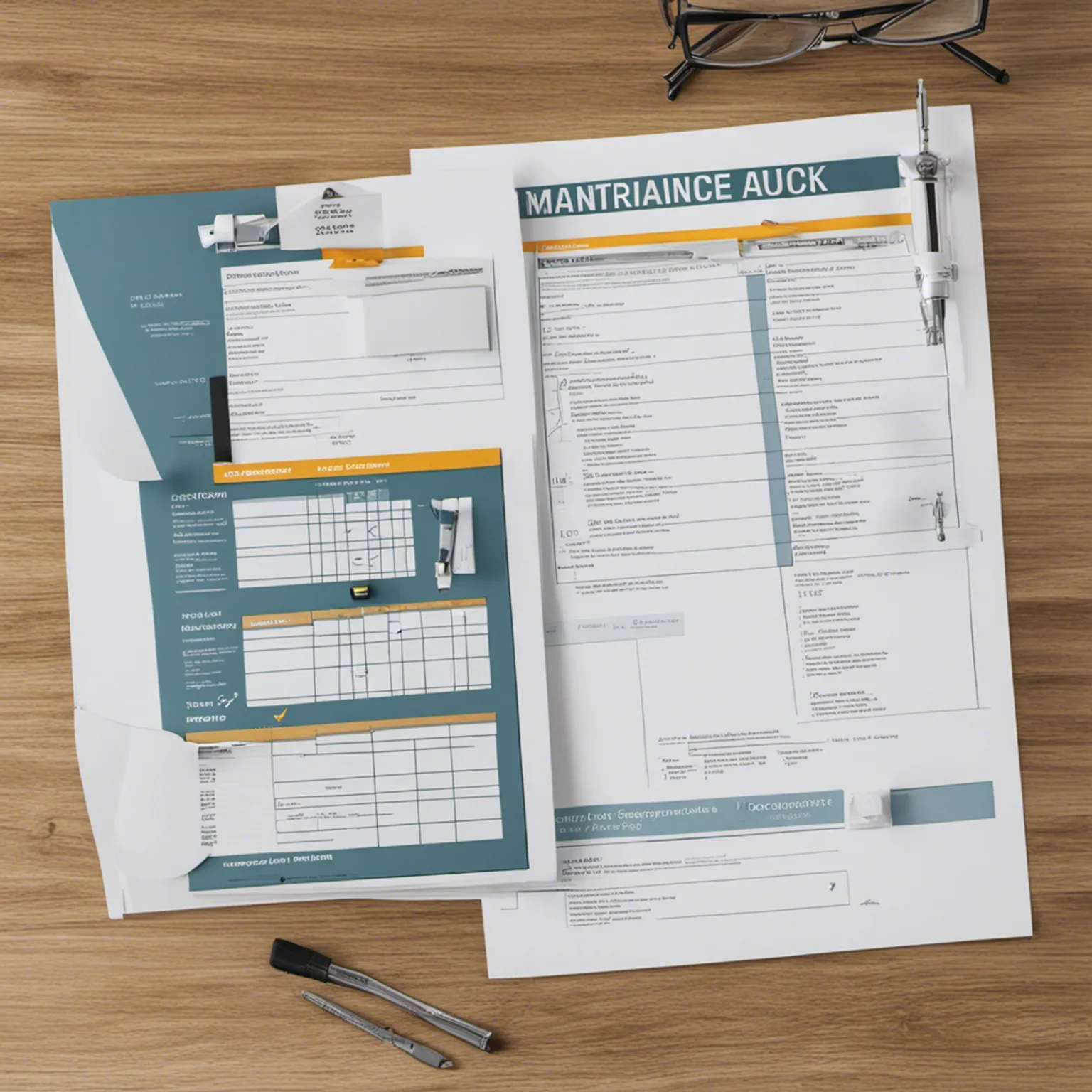
What is a maintenance checklist?
A maintenance checklist is an essential tool for ensuring effective management and regular maintenance of facilities. It is a detailed list of maintenance tasks to be performed to guarantee the proper functioning of installations and the safety of occupants.
A maintenance checklist can include a variety of tasks, such as equipment inspection and cleaning, security system verification, machine lubrication, replacement of defective parts, and much more. It ensures that all necessary maintenance operations are carried out in a regular and organized manner.
This document is essential for maintenance managers, as it allows them to plan and track the tasks to be performed. It also guarantees that nothing is overlooked and that all priority maintenance operations are completed on time.
An effective maintenance checklist must be clear, concise, and easily understandable. It must be adapted to the specific needs of the premises and include detailed information on the tasks to be performed, their frequency, and the responsibilities of the various maintenance team members.
By using a maintenance checklist, facility managers can benefit from numerous advantages, such as improved safety and compliance, reduced maintenance costs, and optimization of equipment lifespan. It also ensures effective preventive maintenance, which helps avoid breakdowns and costly repairs.
The importance of regular facility maintenance
Regular facility maintenance is of paramount importance to ensure their proper functioning, safety, and durability. Indeed, premises undergo daily wear, damage, and degradation caused by constant use.
Regular maintenance allows for the detection and prevention of problems before they become more significant and costly to repair. It also ensures compliance with current health and safety standards.
Regular maintenance includes a wide range of tasks, such as cleaning, equipment repair, security system verification, waste management, and much more. It can be performed by an internal maintenance team or by external service providers.
The benefits of regular facility maintenance are numerous. It helps avoid breakdowns and business interruptions, thereby maintaining company productivity and profitability. It also contributes to extending equipment lifespan and reducing replacement costs.
Furthermore, regular facility maintenance helps ensure occupant safety by preventing accidents and incidents related to defective or poorly maintained equipment. It also helps maintain a clean and healthy environment, which is essential for occupant well-being.
In conclusion, regular facility maintenance is essential to ensure proper functioning, safety, and durability. It helps prevent problems, optimize equipment performance, and ensure occupant satisfaction. It is therefore important to implement a regular maintenance plan and ensure its monitoring and execution.
How to create an effective maintenance checklist?
To create an effective maintenance checklist, it is important to follow a few key steps. First, identify the specific maintenance tasks required to ensure the proper functioning of the premises. Then, determine the frequency at which these tasks must be performed.
Once you have identified the tasks and their frequency, create a detailed list using a clear and organized format. Be sure to include information such as the task description, responsibilities, required tools and equipment, and deadlines to be met.
It is also important to assign responsibilities for each task to members of the maintenance team. Ensure that each person clearly understands their responsibilities and has the necessary skills to perform the assigned tasks.
Finally, use digital tools such as maintenance management software to facilitate the creation, management, and tracking of your checklist. These tools can help you plan tasks, track their execution, and generate reports to evaluate the effectiveness of your maintenance program.
Identification of priority maintenance tasks
Identifying priority maintenance tasks is essential for ensuring effective facility maintenance management. It is important to determine which tasks require immediate attention and must be performed as a priority.
To identify priority maintenance tasks, it is recommended to consider several factors. First, evaluate the impact of each task on the overall functioning of the premises and on occupant safety. Tasks that could lead to major risks or disrupt activities should be considered priorities.
Next, consider the importance of the equipment involved in each task. Critical equipment or those that have a major impact on productivity should be prioritized.
It is also important to take current regulations and standards into account. Maintenance tasks required to comply with these regulations must be considered priorities.
Finally, consider the information and feedback from the maintenance team. Team members can provide valuable insights into recurring problems or tasks that require special attention.
Once you have identified the priority maintenance tasks, ensure they are integrated into your maintenance checklist and given special attention. This will allow you to guarantee the safety, proper functioning, and durability of the premises.
Frequency and planning of maintenance tasks
The frequency and planning of maintenance tasks are key elements for ensuring effective facility maintenance management. It is important to determine how often each task should be performed and to plan these tasks in an organized manner.
To determine the frequency of maintenance tasks, it is recommended to consider several factors. First, consider the manufacturer’s recommendations for each piece of equipment. Manufacturers often provide specific recommendations on the service and maintenance frequency of their products.
Next, evaluate the usage and condition of the equipment. Equipment that is heavily used or shows signs of deterioration generally requires more frequent maintenance.
Also, take current regulations and standards into account. Certain equipment may be subject to specific requirements in terms of maintenance frequency to comply with these regulations.
Once you have determined the frequency of maintenance tasks, plan them in an organized manner. Use a calendar or maintenance management software to assign dates and deadlines to each task.
Also, ensure you take available resources into account, such as the personnel and tools needed to perform the tasks. Plan tasks so they can be completed efficiently and without disrupting the daily activities of the premises.
By proactively planning the frequency and scheduling of maintenance tasks, you can ensure that the premises remain in good working order, minimize breakdowns and business interruptions, and extend equipment lifespan.
Assignment of responsibilities for each task
The assignment of responsibilities for each maintenance task is an essential step for ensuring effective facility maintenance management. It is important to determine who will be responsible for performing each task and to ensure that responsibilities are clearly defined.
To assign responsibilities, it is recommended to consider the skills and knowledge of each maintenance team member. Identify the individuals who have the necessary skills to perform each specific task and assign them the corresponding responsibilities.
It is also important to consider the workload of each team member. Ensure that tasks are distributed fairly and that each person has the time necessary to perform their responsibilities effectively.
Clear communication is also essential for ensuring effective assignment of responsibilities. Ensure that each team member clearly understands their responsibilities and the expectations associated with each task.
It can be useful to use project management tools or maintenance management software to facilitate the assignment of responsibilities. These tools can track the responsibilities assigned to each team member and ensure that all tasks are assigned and completed on time.
By effectively assigning responsibilities for each maintenance task, you can guarantee that tasks are performed consistently and that nothing is overlooked. This contributes to ensuring the proper functioning of the premises and extending equipment lifespan.
Using digital tools to facilitate maintenance checklist management
The use of digital tools can greatly facilitate maintenance checklist management. These tools allow for the effective creation, organization, and tracking of maintenance tasks.
Thanks to these tools, it is possible to centralize all information related to the maintenance checklist, including tasks, responsibilities, frequencies, and deadlines. This allows for better visibility and organization of facility maintenance.
Digital tools can also facilitate communication and collaboration among maintenance team members. They allow for real-time information sharing, task progress tracking, and reporting of problems or delays.
Furthermore, these tools often offer advanced features such as report generation, task history, and resource management. This allows for the analysis of maintenance performance, identification of areas for improvement, and optimization of available resource use.
By using digital tools to facilitate maintenance checklist management, you can save time, improve efficiency, and reduce errors. This allows you to keep the premises in good working order and optimize equipment lifespan.
Benefits of using a maintenance checklist for facility management
Using a maintenance checklist offers numerous benefits for facility management. Here are some of the key advantages:
- Improved safety and compliance: A maintenance checklist ensures that all safety-related maintenance tasks are performed regularly, which helps prevent accidents and ensure compliance with current regulations.
- Reduced maintenance costs: By performing regular and preventive maintenance, problems can be detected and resolved at an early stage, avoiding costly repairs and business interruptions.
- Improved equipment lifespan: Regular maintenance keeps equipment in good working order, which extends its lifespan and avoids premature replacements.
Furthermore, a maintenance checklist facilitates the planning and organization of maintenance tasks. It allows for tracking performed tasks, verifying their compliance, and generating reports to evaluate the effectiveness of the maintenance program.
By using a maintenance checklist, facility managers can optimize installation performance, reduce risks, and ensure occupant satisfaction. It is an essential tool for ensuring effective maintenance management and keeping the premises in good working order.
Improved safety and compliance
The use of a maintenance checklist helps improve safety and ensure compliance with the standards and regulations in force within the premises. Here are some of the key benefits related to improved safety and compliance:
- Risk identification and prevention: A maintenance checklist allows for the listing of safety-related maintenance tasks, such as security system inspections, protective device verification, and critical equipment maintenance. This helps identify and prevent potential risks before they become major problems.
- Compliance with current regulations: Premises are subject to specific health and safety regulations. A maintenance checklist ensures that the tasks necessary to comply with these regulations are performed regularly and appropriately.
- Documentation of maintenance activities: A maintenance checklist allows for the documentation of all maintenance tasks performed. This provides proof of compliance with regulations and can be used in the event of an audit or inspection.
By improving safety and ensuring compliance, a maintenance checklist contributes to creating a safer work environment for the occupants of the premises. This reduces the risk of accidents and injuries and promotes the well-being of employees and visitors.
In conclusion, the use of a maintenance checklist helps improve safety and ensure compliance with standards in the premises. It is an essential tool for ensuring effective maintenance management and preventing safety and compliance-related issues.
Reduction of maintenance costs
The use of a maintenance checklist allows for significant savings by reducing maintenance costs in the premises. Here are some of the key benefits related to reducing maintenance costs:
- Prevention of major breakdowns: Regular and preventive maintenance allows for the detection of problems at an early stage, before they turn into major breakdowns requiring costly repairs. This saves on repair costs and minimizes business interruptions.
- Resource optimization: A maintenance checklist allows for the effective planning and organization of tasks, optimizing the use of available resources. This helps avoid waste and reduces costs related to poor resource management.
- Extension of equipment lifespan: Regular maintenance keeps equipment in good working order, which extends its lifespan. This avoids costs related to the premature replacement of equipment.
By reducing maintenance costs, a maintenance checklist contributes to improving the profitability of the premises. The savings achieved can be reinvested in other areas or used to improve existing installations.
In conclusion, the use of a maintenance checklist helps reduce maintenance costs in the premises. It is an essential tool for ensuring effective maintenance management and optimizing expenses related to installation upkeep.
Improved equipment lifespan
The use of a maintenance checklist contributes to improving the lifespan of equipment in the premises. Here are some of the key benefits related to improving equipment lifespan:
- Regular maintenance: A maintenance checklist allows for the planning and execution of regular maintenance tasks on equipment. This includes cleaning, lubrication, part verification, and other actions that help prevent premature wear and damage.
- Early detection of problems: By performing regular maintenance, potential problems can be detected at an early stage. This allows for corrective measures to be taken before problems worsen and irreversibly damage the equipment.
- Performance optimization: Regular and appropriate maintenance keeps equipment in good working order, which optimizes its performance. This leads to higher quality results, improved efficiency, and reduced downtime.
By improving equipment lifespan, a maintenance checklist allows for significant savings by avoiding costs related to premature equipment replacement. It also maximizes the return on investment of existing equipment.
In conclusion, the use of a maintenance checklist contributes to improving the lifespan of equipment in the premises. It is an essential tool for ensuring effective maintenance management and optimizing equipment performance and durability.
Maintenance checklist examples for different types of facilities
- Office maintenance checklist: This checklist may include tasks such as office cleaning, air conditioning system verification, replacement of defective light bulbs, and waste management.
- Industrial facility maintenance checklist: This checklist may include tasks such as machine maintenance, equipment lubrication, security system verification, and inspection of water and gas pipes.
- Healthcare facility maintenance checklist: This checklist may include tasks such as surface disinfection, emergency system verification, air filter replacement, and medical equipment maintenance.
These examples illustrate how a maintenance checklist can be adapted to the specific needs of each type of facility. It is important to customize the checklist based on the equipment and requirements specific to each location to ensure effective maintenance management.
Office maintenance checklist
An office maintenance checklist is essential for ensuring the proper functioning and regular upkeep of these workspaces. Here are some examples of tasks that can be included in such a checklist:
- Cleaning of offices, work surfaces, windows, and floors.
- Verification and maintenance of air conditioning, heating, and ventilation systems.
- Replacement of defective light bulbs in fixtures and desk lamps.
- Waste management, including proper collection and recycling.
- Verification and maintenance of security systems, such as fire alarms and extinguishers.
- Inspection and maintenance of sanitary facilities, including toilet cleaning and faucet and sink verification.
These tasks help maintain a clean, safe, and functional work environment. An office maintenance checklist ensures that these tasks are performed regularly and in an organized manner.
It is recommended to adapt the checklist based on the specificities of each office. For example, some offices may require additional tasks, such as IT equipment maintenance or indoor air quality monitoring.
By using an office maintenance checklist, managers can ensure that the premises remain in good working order, which promotes productivity, employee well-being, and a professional company image.
Industrial facility maintenance checklist
An industrial facility maintenance checklist is essential for ensuring the proper functioning and safety of equipment in these complex environments. Here are some examples of tasks that can be included in such a checklist:
- Maintenance of machines and production equipment, including lubrication, cleaning, and replacement of defective parts.
- Verification and maintenance of security systems, such as fire alarms, gas detection systems, and fire suppression systems.
- Inspection of water and gas pipes to detect leaks and pressure problems.
- Verification and maintenance of cooling and ventilation systems to ensure a safe and comfortable work environment.
- Control and maintenance of electrical systems, including connection verification and fuse replacement.
These maintenance tasks are essential for preventing breakdowns, optimizing performance, and ensuring safety in industrial facilities.
It is important to adapt the checklist based on the specificities of each facility, taking into account specific equipment and applicable regulations.
By using an industrial facility maintenance checklist, managers can ensure that equipment operates optimally, reduce downtime, and improve the productivity of the entire facility.
Healthcare facility maintenance checklist
A healthcare facility maintenance checklist is essential for guaranteeing the safety and proper functioning of installations in these critical environments. Here are some examples of tasks that can be included in such a checklist:
- Regular disinfection of surfaces to maintain a clean and hygienic environment.
- Verification and maintenance of emergency systems, such as backup generators and uninterruptible power supply (UPS) systems.
- Regular replacement of air filters to maintain good indoor air quality.
- Maintenance of medical equipment, including calibration and verification of proper functioning.
- Inspection and maintenance of medical waste management systems to ensure proper disposal.
These maintenance tasks are crucial for ensuring the safety of patients, staff, and visitors in healthcare facilities.
It is important to adapt the checklist based on the specificities of each facility, taking into account specific medical equipment and health regulations.
By using a healthcare facility maintenance checklist, managers can ensure that installations operate optimally, reduce infection risks, and provide a safe and healthy environment for patients and staff.
An expert team at your service
Choosing Bob! Desk and our CMMS software also means choosing a team, based in Paris, available from 8 AM to 10 PM, 6 days a week, to answer any questions you may have.
A passionate, reactive team that loves to toast with its clients! 🍾
See you soon!