

Facility Maintenance Logbook: An Essential Tool for Maintenance Managers

The Facility Maintenance Logbook: What You Need to Know👇
The facility maintenance logbook is an essential tool for maintenance managers. It allows for recording all information related to facility maintenance, whether for a commercial, industrial, or residential building. This logbook is used to plan and track maintenance tasks, as well as to record completed interventions.
Thanks to the facility maintenance logbook, maintenance managers can get an overview of the facility’s condition and plan necessary interventions. This helps prevent problems and ensures optimal operation of equipment and installations.

What is a facility maintenance logbook?
A facility maintenance logbook is an essential tool for maintenance managers. It is a document that compiles all information related to facility maintenance and management. Whether for a commercial, industrial, or residential building, the facility maintenance logbook centralizes data and facilitates the tracking of maintenance activities.
The facility maintenance logbook typically contains information such as facility plans, equipment technical sheets, maintenance procedures, intervention reports, preventive maintenance dates, service providers, etc. It allows for keeping a record of all operations performed on the premises, planning future interventions, and ensuring efficient resource management.
Thanks to the facility maintenance logbook, maintenance managers can have a clear vision of the condition of the premises and equipment. This allows them to quickly detect problems and take necessary measures to resolve them. Furthermore, the facility maintenance logbook enables preventive planning of maintenance tasks, which helps extend equipment lifespan and avoid costly breakdowns.
In summary, a facility maintenance logbook is a valuable tool for maintenance managers. It allows them to centralize information, plan interventions, track maintenance activities, and ensure efficient management of premises and equipment. With this logbook, maintenance managers can optimize their resources and guarantee optimal operation of facilities.
The importance of a facility maintenance logbook for maintenance managers
A facility maintenance logbook is of paramount importance for maintenance managers. It is a tool that allows them to efficiently manage maintenance operations and ensure the proper functioning of facilities. Whether for a commercial, industrial, or residential building, a well-maintained logbook is essential to ensure the safety, durability, and efficiency of installations.
The facility maintenance logbook allows maintenance managers to closely monitor all preventive and corrective maintenance activities. Thanks to this document, they can plan and organize maintenance tasks, ensuring that each piece of equipment and every installation receives the necessary attention. This helps prevent breakdowns and potential problems, thereby avoiding additional costs and interruptions in activities.
Furthermore, the facility maintenance logbook allows for maintaining a detailed history of interventions performed. It documents the work carried out, spare parts used, procedures followed, etc. This is particularly useful during compliance audits or when reselling a building, as it proves that adequate measures have been taken to keep the premises in good condition.
Finally, a facility maintenance logbook promotes better communication and coordination among the various stakeholders involved in maintenance. It allows for sharing relevant information with field technicians, service providers, and other parties. This facilitates collaboration and ensures that tasks are performed consistently and efficiently.
How to create a facility maintenance logbook?
To create a facility maintenance logbook, it is important to follow a few key steps. First, identify the essential information to include, such as facility plans, equipment technical sheets, maintenance procedures, intervention reports, etc. Then, organize this information clearly and logically, using sections or categories to facilitate searching.
Next, choose a format suitable for your needs, whether it’s a physical logbook or an electronic one. Ensure that the chosen format is practical and easy to update. Finally, establish a routine for regular logbook updates, recording all completed interventions and updating relevant information.
Information to include in a facility maintenance logbook
A facility maintenance logbook should include various essential information to ensure effective maintenance management. Here are some elements to consider:
- Facility plans: Include detailed plans of the premises, indicating the location of equipment, systems, and specific areas.
- Equipment technical sheets: Add technical sheets for equipment installed in the premises, including specifications, user manuals, and maintenance recommendations.
- Maintenance procedures: Document preventive maintenance procedures and intervention guidelines for each piece of equipment or system.
- Intervention reports: Record intervention reports detailing the work performed, problems encountered, and spare parts used.
- Intervention history: Maintain a history of past interventions, including dates, responsible technicians, and results obtained.
- Maintenance schedule: Plan preventive maintenance tasks and note due dates for each piece of equipment or system.
- Contacts and suppliers: Keep an up-to-date list of contacts and service providers to facilitate coordination and problem resolution.
By including this information in your facility maintenance logbook, you will have a comprehensive tool to ensure efficient maintenance and optimal management of facilities.
How to organize information in a facility maintenance logbook?
Organizing information in a facility maintenance logbook clearly and logically is essential to facilitate searching and efficient maintenance management. Here are some tips for organizing your information:
- Use sections or categories: Divide your logbook into distinct sections or categories, such as facility plans, equipment technical sheets, maintenance procedures, intervention reports, etc. This will group similar information and make it easier to find.
- Number the pages: Number the pages of your logbook to facilitate referencing and quick searching for specific information.
- Use tabs or dividers: Use tabs or dividers to mark the different sections of your logbook, which will allow faster access to the information you are looking for.
- Adopt a color system: Use color codes to differentiate different categories of information or to highlight important elements.
- Maintain an index: Create an index at the end of your logbook to list the different sections and corresponding pages. This will facilitate searching and navigation within your logbook.
- Update regularly: Be sure to regularly update your facility maintenance logbook by recording new information and deleting obsolete information.
By following these organizational tips, you will be able to quickly access necessary information and efficiently manage facility maintenance.
Advantages of using a facility maintenance logbook
The use of a facility maintenance logbook offers numerous advantages for maintenance managers. First, it allows for better planning of maintenance tasks by grouping all necessary information in one place. Furthermore, it provides complete documentation of interventions performed, which facilitates tracking and analysis of the work carried out. Finally, using a facility maintenance logbook helps improve equipment lifespan by ensuring regular and preventive maintenance. In summary, a facility maintenance logbook is an indispensable tool for ensuring efficient maintenance and optimal management of facilities.
Better planning of maintenance tasks
A facility maintenance logbook enables better planning of maintenance tasks for maintenance managers. By grouping all necessary information in a single document, it becomes easier to organize and prioritize interventions.
Thanks to the facility maintenance logbook, maintenance managers can consult preventive maintenance deadlines, past intervention reports, and manufacturer recommendations. This allows them to plan tasks efficiently, avoiding delays and oversights.
Furthermore, the facility maintenance logbook allows for tracking current and upcoming maintenance activities. It enables recording planned tasks, assigned technicians, and necessary resources. This facilitates team coordination and ensures an equitable distribution of tasks.
Better planning of maintenance tasks also optimizes resource utilization. By identifying material, spare parts, and labor needs in advance, maintenance managers can avoid delays and interruptions in operations.
In summary, using a facility maintenance logbook enables better planning of maintenance tasks, resulting in more efficient maintenance, respected deadlines, and optimal utilization of available resources.
Complete documentation of interventions performed
The use of a facility maintenance logbook provides complete documentation of interventions performed. Each time a maintenance intervention is carried out, it is recorded in the logbook, which allows for keeping a detailed record of all actions taken.
This complete documentation is extremely valuable for several reasons. First, it allows for tracing the history of interventions, which is useful for analyzing recurring problems or resolving potential disputes. By reviewing past interventions, maintenance managers can identify trends, frequent errors, and opportunities for improvement.
Furthermore, documenting interventions allows for tracking equipment warranties and complying with regulatory requirements. By providing documented proof of work performed, maintenance managers can ensure that equipment is maintained according to manufacturer specifications and current regulations.
Finally, complete documentation of interventions is essential for training and knowledge sharing. When a new technician joins the maintenance team, they can consult past interventions to familiarize themselves with equipment and maintenance procedures. Moreover, by sharing knowledge gained during interventions, maintenance managers foster a culture of continuous learning within the team.
In summary, a facility maintenance logbook provides complete documentation of interventions performed, which facilitates analysis, ensures compliance, and promotes knowledge sharing within the maintenance team.
Improved equipment lifespan
The use of a facility maintenance logbook contributes to improving equipment lifespan. By performing regular and preventive maintenance, maintenance managers can minimize wear and premature breakdowns of equipment, thereby extending their overall lifespan.
Thanks to the facility maintenance logbook, it is possible to plan and track preventive maintenance activities, such as inspections, cleanings, and lubrications. By performing these tasks regularly, maintenance managers can prevent potential problems, detect signs of degradation, and take necessary measures before equipment breaks down.
Furthermore, the facility maintenance logbook allows for documenting manufacturer recommendations regarding equipment maintenance and use. By following these recommendations, maintenance managers can ensure that equipment operates optimally and avoid problems related to improper use or inadequate maintenance.
By extending equipment lifespan, using a facility maintenance logbook also allows for long-term savings. By avoiding costs associated with breakdowns and premature replacements, maintenance managers can optimize the maintenance budget and invest in other improvements or projects.
In summary, using a facility maintenance logbook improves equipment lifespan through regular and preventive maintenance, as well as by following manufacturer recommendations. This helps prevent premature breakdowns, optimize resources, and achieve long-term savings.
Where to find facility maintenance logbook templates?
There are several sources where you can find facility maintenance logbook templates. Here are some options to consider:
- Specialized suppliers: Some suppliers specializing in office supplies or maintenance equipment offer ready-to-use facility maintenance logbook templates. You can contact them for information on available options.
- Online resources: Many websites and online platforms offer free facility maintenance logbook templates. You can search using keywords such as “facility maintenance logbook template” to find options suited to your needs.
- Professional associations: Professional associations related to maintenance and facility management can also provide facility maintenance logbook templates to their members. Consult their websites or contact these associations for additional resources.
When choosing a facility maintenance logbook template, ensure it meets your specific needs and is easy to use and update. You can also customize the template according to your preferences and your company’s requirements.
Specialized suppliers for facility maintenance logbooks
If you are looking for specialized suppliers for facility maintenance logbooks, there are several options to consider. These suppliers specialize in providing ready-to-use facility maintenance logbook templates, adapted to the needs of maintenance managers.
Some suppliers offer physical maintenance logbooks, in the form of notebooks or binders, with pre-printed pages to facilitate information organization. These logbooks can include specific sections for facility plans, equipment technical sheets, maintenance procedures, etc.
Other suppliers specialize in electronic maintenance logbooks, which can be used on tablets or computers. These electronic logbooks often offer additional features such as the ability to attach photos, generate automated reports, and synchronize data in real time.
To find specialized suppliers for facility maintenance logbooks, you can perform an online search using keywords such as “facility maintenance logbook supplier” or “ready-to-use facility maintenance logbook.” You can also consult the websites of maintenance equipment suppliers or contact professional associations for recommendations.
Before choosing a supplier, be sure to check the features offered, product quality, pricing, and customer reviews. It is also important to consider your company’s specific needs and choose a supplier that will best meet them.
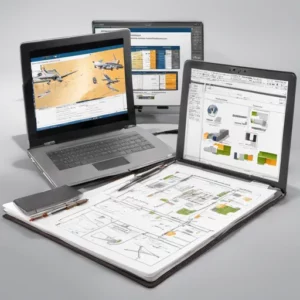
Online resources for downloading facility maintenance logbook templates
If you are looking for online resources to download facility maintenance logbook templates, you have several options available. Many websites and online platforms offer free or paid facility maintenance logbook templates.
These online resources offer a wide variety of ready-to-use templates, adapted to the needs of maintenance managers. You can search using keywords such as “facility maintenance logbook templates,” “free facility maintenance logbook download,” or “printable facility maintenance logbook.”
Once you have found a site or platform that offers templates, you can browse their selection and choose the one that best suits your needs. Be sure to read the descriptions and user reviews to ensure the template is of high quality and meets your expectations.
It is also possible to customize downloaded templates according to your specific preferences. You can add your logo, modify sections or categories, or adapt the format to meet your company’s requirements.
In summary, online resources are an excellent option for downloading facility maintenance logbook templates. They offer a variety of choices and the ability to customize templates according to your specific needs.
An expert team at your service
Choosing Bob! Desk and our CMMS software also means choosing a team, based in Paris, available from 8 AM to 10 PM, 6 days a week, to answer any questions you may have.
A passionate, reactive team that loves to toast with its clients! 🍾
See you soon!