

Building Maintenance Tracking

Building Maintenance Tracking: What You Need to Know 👇
Building maintenance tracking plays an essential role for maintenance managers. It ensures the proper functioning and durability of facilities by guaranteeing regular upkeep and preventing breakdowns and failures.
Through rigorous maintenance tracking, managers can plan interventions, carry out necessary repairs, and ensure the safety of building occupants. This also helps minimize operational interruptions and reduce costs associated with emergency repairs.
What is Building Maintenance Tracking?
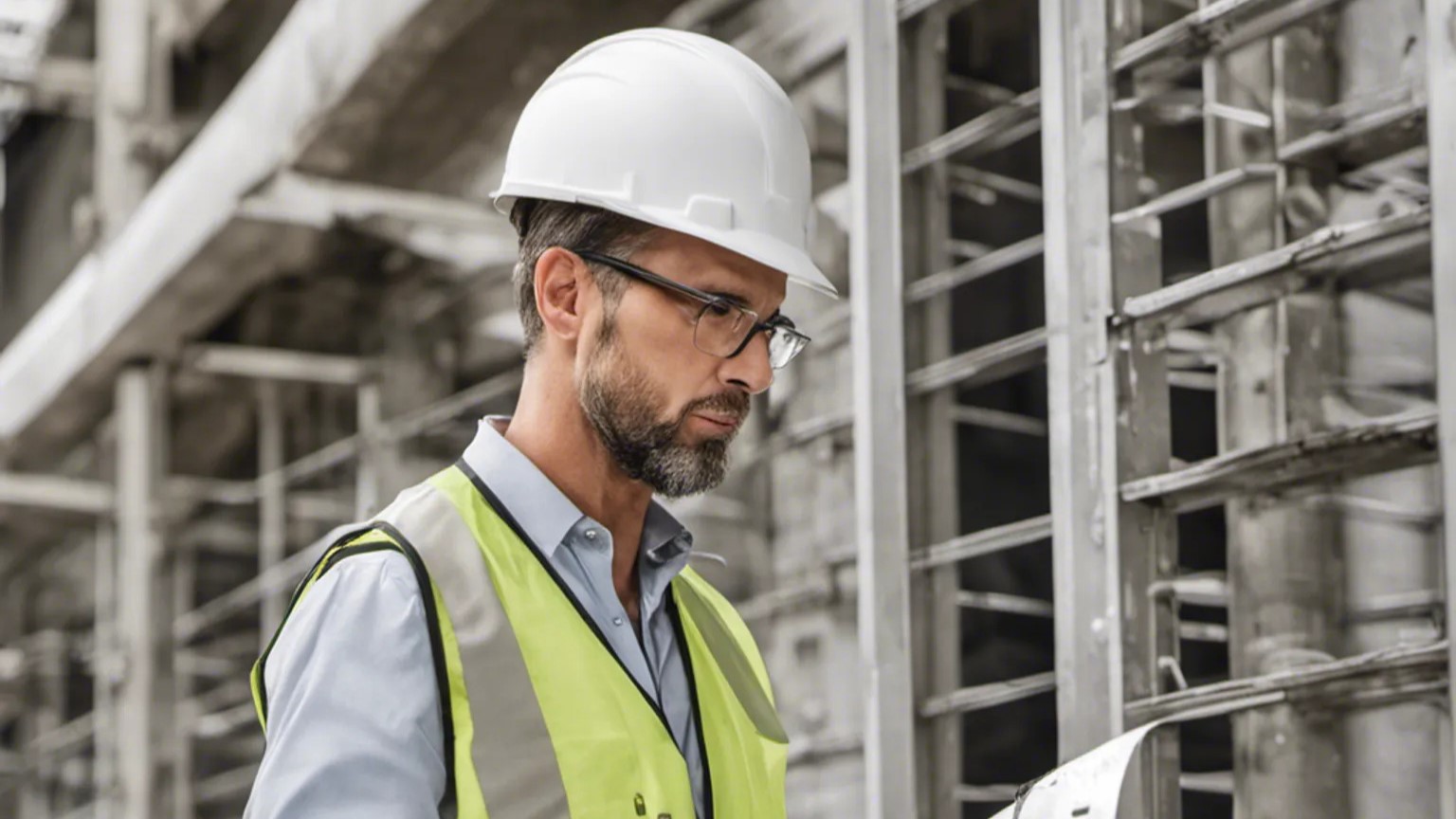
Building maintenance tracking is an essential process to ensure the proper functioning and longevity of a building’s facilities. It involves regularly monitoring, evaluating, and maintaining building equipment and systems to prevent breakdowns, failures, and safety issues.
Building maintenance tracking includes several key activities, such as regular equipment inspections, preventive maintenance, repair of defective equipment, replacement of worn parts, and updating of obsolete systems.
By performing regular maintenance tracking, maintenance managers can detect potential problems before they become critical, which helps avoid operational interruptions and high costs associated with emergency repairs.
Furthermore, building maintenance tracking optimizes equipment performance, improves the building’s energy efficiency, and extends the lifespan of facilities. This contributes to reducing operating costs and ensuring a safe and comfortable working environment for building occupants.
To implement effective building maintenance tracking, it is recommended to establish a preventive maintenance plan, use maintenance management software, train and educate staff on maintenance, and utilize tools such as maintenance tracking sheets, maintenance tracking dashboards, and maintenance performance indicators.
The Importance of Building Maintenance Tracking
Building maintenance tracking is of paramount importance to ensure the proper functioning and durability of facilities. Indeed, regular tracking helps detect and prevent potential problems before they turn into costly and disruptive breakdowns.
The importance of building maintenance tracking manifests in several ways. First, it ensures the safety of occupants and visitors by ensuring that safety equipment, such as fire alarm systems and extinguishers, is in good working order.
Next, maintenance tracking helps maintain the optimal performance of building equipment and systems. This includes the maintenance of elevators, heating and ventilation systems, electrical systems, and many others. Regular tracking ensures that this equipment operates efficiently, which can reduce energy costs and prevent unexpected breakdowns.
Moreover, building maintenance tracking helps extend the lifespan of facilities. By performing preventive maintenance operations, such as cleaning, lubrication, and regular replacement of worn parts, premature wear of equipment can be avoided, thus prolonging its durability.
Finally, regular maintenance tracking helps preserve the building’s value. A well-maintained and functional building is more attractive to tenants and investors, which can have a positive impact on its market value.
The Benefits of Regular Building Maintenance Tracking
Regular building maintenance tracking offers numerous benefits for building owners, managers, and occupants. Indeed, it helps keep facilities in good working order, optimize performance, reduce costs, and improve user satisfaction.
First, regular maintenance tracking allows for the detection of potential problems before they become major. By performing regular inspections and maintenance, signs of equipment failure or wear can be identified, and necessary measures can be taken to repair or replace them. This helps avoid unexpected breakdowns and high emergency repair costs.
Furthermore, regular maintenance tracking helps optimize the performance of building equipment and systems. By performing cleaning, adjustment, and lubrication operations, equipment can be ensured to operate efficiently and energy-consciously. This reduces operating costs and promotes more sustainable resource use.
Another benefit of regular maintenance tracking is the reduction of safety and health risks for occupants. By ensuring that safety equipment, such as fire alarm systems and extinguishers, is in good working order, accidents and dangerous situations can be prevented.
Finally, regular maintenance tracking helps improve the satisfaction of building users. Well-maintained equipment and properly functioning systems create a comfortable and pleasant work or living environment. This can have a positive impact on the productivity, well-being, and loyalty of occupants.
How to Implement Effective Building Maintenance Tracking?
To implement effective building maintenance tracking, it is essential to follow a few key steps. First, it is recommended to establish a preventive maintenance plan, which determines the maintenance tasks to be performed regularly and their frequency.
Next, the use of maintenance management software can facilitate the tracking of maintenance activities, intervention planning, and spare parts management.
It is also important to train and educate staff on maintenance, familiarizing them with maintenance procedures and encouraging them to report potential problems.
To facilitate tracking, the use of maintenance tracking sheets, dashboards, and performance indicators can provide a clear overview of the maintenance status.
Finally, it is recommended to establish a maintenance culture, encouraging collaboration between different departments and emphasizing the importance of preventive maintenance to ensure the proper functioning and durability of facilities.
Establish a Preventive Maintenance Plan
Establishing a preventive maintenance plan is a crucial step in implementing effective building maintenance tracking. This plan involves identifying maintenance tasks to be performed regularly to prevent breakdowns and failures.
To begin, it is important to list all building equipment and systems that require regular maintenance. This may include heating, ventilation, and air conditioning systems, elevators, electrical systems, safety equipment, plumbing systems, etc.
Once all equipment is listed, it is necessary to determine the specific maintenance tasks to be performed for each piece of equipment. This may include cleaning, lubrication, replacement of worn parts, performance checks, etc.
Next, it is important to define the frequency at which these maintenance tasks should be performed. This may vary depending on manufacturer recommendations, regulatory requirements, or building specifics.
Once the preventive maintenance plan is established, it is important to implement it rigorously. This involves following a maintenance schedule, documenting all interventions performed, and keeping a record of spare parts used.
Finally, it is essential to regularly review and adjust the preventive maintenance plan based on feedback, inspection results, and changes in building equipment and systems.
Use Maintenance Management Software
The use of maintenance management software is an effective way to improve building maintenance tracking. These software solutions offer advanced functionalities for planning, executing, and tracking maintenance activities.
Here are some key benefits of using maintenance management software:
- Simplified Planning: Maintenance management software allows for the creation of maintenance schedules, allocation of resources to tasks, and setting reminders for planned interventions.
- Request Management: This software enables the management of maintenance requests from building users, by recording, prioritizing, and assigning them to appropriate technicians.
- Intervention Tracking: Maintenance management software allows for tracking the progress of interventions, documenting work performed, and maintaining a history of past interventions.
- Inventory Management: Some software offers inventory management features, allowing for tracking spare parts, managing stock levels, and generating reports on parts usage.
- Data Analysis: Maintenance management software allows for collecting and analyzing data on maintenance interventions, which helps identify trends, optimize processes, and make informed decisions.
By using maintenance management software, maintenance managers can improve the efficiency, productivity, and reliability of their maintenance operations. They can also gain better visibility into maintenance status, facilitating decision-making and resource allocation.
Train and Educate Staff on Maintenance
Training and educating staff on maintenance is an essential step in implementing effective building maintenance tracking. By providing adequate training and raising awareness among staff about the importance of maintenance, all team members can be ensured to understand and contribute to the success of the maintenance strategy.
Staff training can include several aspects, such as:
- Technical Training: It is important to provide technical training on the specific equipment and systems of the building. This allows staff to understand how equipment works, how to maintain it correctly, and how to diagnose common problems.
- Maintenance Procedure Training: It is necessary to train staff on specific maintenance procedures, such as the steps to follow for performing an inspection, repair, or parts replacement.
- Safety Awareness: Safety is a crucial aspect of maintenance. It is important to make staff aware of potential risks related to maintenance and to provide them with the knowledge and skills necessary to work safely.
- Continuous Training: Maintenance is constantly evolving, especially with the emergence of new technologies. It is important to offer continuous training opportunities so that staff can stay up-to-date with the latest maintenance practices and techniques.
By raising staff awareness about the importance of maintenance, a maintenance culture can be encouraged within the organization. This involves highlighting the positive impact of maintenance on the durability, safety, performance, and satisfaction of building occupants.
Building Maintenance Tracking Tools
Building maintenance tracking tools are essential elements for ensuring effective monitoring of maintenance activities. They allow for collecting, organizing, and analyzing maintenance-related data, thus facilitating the planning, execution, and tracking of maintenance tasks.
The main maintenance tracking tools include maintenance tracking sheets, maintenance tracking dashboards, and maintenance performance indicators. Maintenance tracking sheets allow for documenting performed maintenance interventions, while dashboards provide an overview of ongoing maintenance activities. Maintenance performance indicators allow for measuring the effectiveness and efficiency of maintenance operations.
Maintenance Tracking Sheets
Maintenance tracking sheets are indispensable tools for ensuring effective tracking of building maintenance activities. They allow for documenting all performed maintenance interventions in an organized and structured manner.
Maintenance tracking sheets generally contain the following information:
- Equipment or System Identification: Each maintenance tracking sheet indicates the specific equipment or system that has been maintained or repaired.
- Intervention Details: The maintenance tracking sheet describes in detail the intervention performed, including work carried out, parts replaced, adjustments made, etc.
- Date and Time: The date and time of the intervention are recorded on the maintenance tracking sheet.
- Responsible Technician: The person responsible for the maintenance intervention is also mentioned on the sheet.
- Comments and Observations: Comments and observations can be added to provide additional information about the intervention.
Maintenance tracking sheets are essential for maintaining a complete history of maintenance activities. They allow for tracking interventions performed on each piece of equipment or system, planning future interventions, and detecting trends or recurring problems.
By using maintenance tracking sheets, maintenance managers can improve the efficiency of their operations, optimize spare parts management, and ensure compliance with safety and quality standards.
Maintenance Tracking Dashboards
Maintenance tracking dashboards are essential tools for gaining a clear and concise overview of building maintenance activities. They allow for visualizing and analyzing maintenance-related data quickly and efficiently.
Maintenance tracking dashboards can include various information, such as:
- Intervention Status: Dashboards display the status of each maintenance intervention, indicating whether it is pending, in progress, or completed.
- Deadlines: Dashboards highlight maintenance interventions that are approaching their deadline, thus allowing for planning resources and future interventions.
- Performance: Dashboards can display key performance indicators, such as average problem resolution time, intervention success rate, etc.
- Intervention History: Dashboards allow for consulting the history of maintenance interventions, thus facilitating the identification of trends and recurring problems.
Thanks to maintenance tracking dashboards, maintenance managers can make informed decisions, efficiently allocate resources, and optimize maintenance operations. These tools provide a real-time overview of maintenance status, allowing for quick detection of problems and addressing them before they become critical.
Maintenance tracking dashboards can be customized according to the specific needs of each organization. They can be accessed online, on mobile applications, or even displayed on screens in the maintenance office, allowing the entire team to easily track ongoing activities.
Maintenance Performance Indicators
Maintenance performance indicators are key metrics used to evaluate the effectiveness and efficiency of building maintenance operations. They allow for tracking and quantifying maintenance performance, providing objective data to assess the quality of work performed.
Here are some examples of maintenance performance indicators:
- Availability Rate: This indicator measures the percentage of time equipment is available and functional.
- Intervention Times: This indicator measures the time elapsed between the intervention request and the actual start of the intervention.
- First-Time Fix Rate: This indicator measures the percentage of interventions resolved on the technician’s first visit, without requiring a callback or new intervention.
- Maintenance Cost Per Unit: This indicator measures the average cost of maintenance per production unit or per piece of equipment.
- Mean Time Between Failures: This indicator measures the average duration between equipment breakdowns or failures.
By using maintenance performance indicators, maintenance managers can identify areas for improvement, make decisions based on objective data, and implement appropriate corrective measures.
These indicators also allow for comparing maintenance performance over time, evaluating the impact of improvement actions, and measuring progress towards set objectives.
It is important to choose maintenance performance indicators based on the organization’s strategic objectives and the specifics of the building’s equipment or systems. Indicators must be relevant, measurable, achievable, realistic, and time-bound.
An expert team at your service
Choosing Bob! Desk and our CMMS software also means choosing a team, based in Paris, available from 8 AM to 10 PM, 6 days a week, to answer any questions you may have.
A passionate, reactive team that loves to toast with its clients! 🍾
See you soon!