

Facilities Management Optimization: Improve Your Maintenance Management

Facilities Management Optimization: Improve Your Maintenance Management: What You Need to Know👇
Facilities management optimization is essential for improving your maintenance management. It involves identifying inefficiencies and areas for improvement within your maintenance department to optimize them and achieve more effective results.
By optimizing your facilities management with CMMS software for facilities management, you can reduce unplanned downtime, increase equipment lifespan, improve your maintenance team’s productivity, and reduce maintenance costs.
To achieve these goals, it is essential to analyze your existing processes, identify areas for improvement, implement performance metrics, and continuously monitor and adjust your optimization efforts.
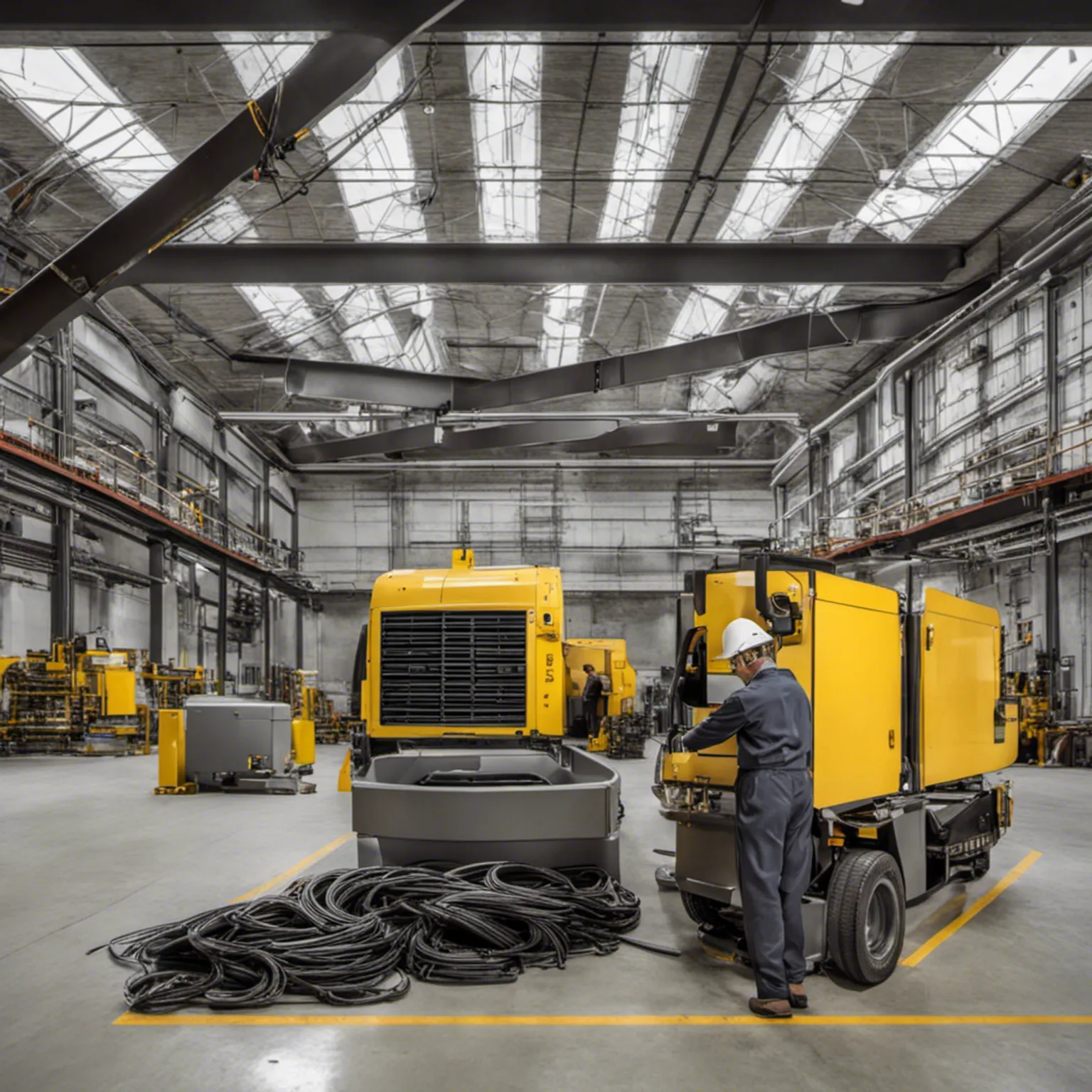
What is facilities management optimization?
Facilities management optimization consists of improving the efficiency and productivity of all services that support an organization, including maintenance. This encompasses identifying inefficiencies, implementing performance metrics, and continuous monitoring to ensure optimal results.
For maintenance managers, facilities management optimization specifically aims to improve maintenance management. This includes analyzing existing processes to identify weaknesses and areas for improvement. By identifying inefficiencies, it becomes possible to implement more effective strategies and practices to minimize unplanned downtime and maximize equipment lifespan.
By optimizing facilities management, maintenance managers can also improve their team’s productivity. This can be achieved by implementing appropriate tools and technologies, such as maintenance management software and equipment tracking systems. These tools allow for more efficient management of maintenance tasks, process automation, and easier communication between team members.
Finally, facilities management optimization emphasizes the importance of training and skills development. Maintenance managers must ensure that their staff is properly trained and possesses the necessary technical and managerial skills to perform their tasks effectively. By investing in training and development, maintenance managers can strengthen their team’s skills and improve the overall performance of the maintenance department.
Benefits of facilities management optimization for maintenance managers
Facilities management optimization offers numerous benefits to maintenance managers. By improving maintenance efficiency and productivity, it helps reduce costs, optimize resources, and ensure smoother operation across the entire organization.
First, facilities management optimization helps reduce unplanned downtime. By identifying inefficiencies and implementing performance metrics, maintenance managers can anticipate problems and take preventive measures to avoid breakdowns and production interruptions.
Furthermore, facilities management optimization increases equipment lifespan. By implementing preventive maintenance practices and using equipment tracking tools, maintenance managers can detect signs of potential failure and perform necessary repairs before equipment breaks down.
Another benefit of facilities management optimization is the improvement of the maintenance team’s productivity. By using maintenance management software and automating repetitive tasks, maintenance managers can free up time to focus on more strategic tasks and provide better support for daily operations.
Finally, facilities management optimization allows for better resource allocation. By analyzing maintenance data, managers can identify areas where resources are misused or underutilized and take the necessary steps to optimize them. This saves time and money while ensuring optimal use of available resources.
Key steps to optimize facilities management
To optimize facilities management, there are several key steps to follow. First, it is important to conduct a thorough analysis of existing processes to identify inefficiencies and areas for improvement. Next, performance metrics must be implemented to evaluate the effectiveness of new practices and procedures. Continuous monitoring is essential to adjust optimization efforts based on the results obtained. Finally, the use of tools and technologies such as maintenance management software and equipment tracking systems can help optimize facilities management effectively and sustainably.
Analysis of existing processes
Analyzing existing processes is a key step in optimizing facilities management. It involves a thorough examination of current processes and practices to identify inefficiencies and opportunities for improvement.
To begin, it is important to collect data on existing processes. This can include information on tasks performed, resources used, completion times, and results achieved. This data provides a solid foundation for evaluating current performance and identifying areas that require improvement.
Once the data is collected, it is time to analyze the processes. This involves reviewing them step-by-step to identify inefficient steps, redundancies, and bottlenecks. The goal is to understand how processes currently function and identify areas where improvements can be made.
Once inefficiencies are identified, it is time to propose improvement solutions. This may include simplifying processes, automating repetitive tasks, improving communication and coordination between different teams, or using new technologies to optimize operations.
Finally, it is important to implement the proposed changes and measure the results. This ensures that process improvements translate into real benefits, such as productivity gains, cost reduction, or improved customer satisfaction.
Identification of areas for improvement
Identifying areas for improvement is an essential step in facilities management optimization. It involves identifying areas where changes and improvements can be made to optimize operations.
To begin, it is important to consider the results of the analysis of existing processes. These results may reveal inefficiencies, redundancies, or specific problems that require special attention.
Once the analysis results are in hand, it is time to identify specific areas that can benefit from improvements. This may include processes that take too long, tasks that are performed inefficiently, bottlenecks in the production chain, or communication and coordination issues between teams.
To identify these areas for improvement, it can be helpful to consult team members who are directly involved in the processes. Their experience and knowledge can provide valuable insights into the problems encountered and opportunities for improvement.
It is also important to consider industry best practices and stay up to date with new technologies and methods that can contribute to facilities management optimization.
Once areas for improvement are identified, it is important to prioritize them based on their potential impact on operations and results. This allows for the implementation of corrective actions and improvements in a structured and efficient manner.
Implementation of performance metrics
Implementing performance metrics is a crucial step for facilities management optimization. These metrics allow for the quantification and evaluation of the effectiveness of new practices and procedures put in place.
To begin, it is important to define clear and specific performance goals. These goals can include indicators such as reduced downtime, increased productivity, decreased maintenance costs, or improved customer satisfaction.
Once the goals are defined, it is time to implement appropriate performance metrics. This may include collecting and analyzing data such as task completion time, maintenance costs, quality indicators, or customer satisfaction rates.
Performance metrics can be implemented using tools and technologies such as tracking dashboards, performance management software, or customer satisfaction surveys.
Once performance metrics are in place, it is essential to regularly monitor results and compare them to the set goals. This allows for the detection of discrepancies and the taking of corrective measures if necessary.
Finally, it is important to use the results of performance metrics to make informed decisions and make continuous adjustments to practices and procedures. Facilities management optimization is an ongoing process that requires constant monitoring and adaptation to changes.

Continuous monitoring and adjustment
Continuous monitoring and adjustment are essential steps in the facilities management optimization process. They ensure that the improvements implemented produce the expected results and allow for necessary adjustments based on the results obtained.
To begin, it is important to implement a regular monitoring system to evaluate the performance of new practices and procedures. This may include collecting and analyzing data such as task completion times, maintenance costs, customer satisfaction rates, or any other relevant indicator.
The collected data can be organized using dashboards or regular reports. These tools allow for the visualization of results and comparison against set goals.
Based on the results obtained, it is then possible to make adjustments to practices and procedures. This may include minor modifications to improve efficiency, resource adjustments to optimize resource allocation, or larger changes to meet the organization’s evolving needs.
It is important to note that continuous adjustment is not a one-time event but must be an ongoing process. The organization’s conditions and needs evolve constantly, so it is essential to permanently monitor and adjust practices and procedures to guarantee optimal results.
In summary, continuous monitoring and adjustment are essential steps for optimizing facilities management. They allow for performance evaluation, necessary adjustments, and the guarantee of sustainable results in operational optimization.
Tools and technologies for facilities management optimization
For facilities management optimization, several tools and technologies can be used to improve efficiency and productivity. Among these tools are maintenance management software, which allows for more efficient management of maintenance tasks, process automation, and easier communication between team members. Equipment tracking systems are also useful for monitoring equipment status, planning maintenance operations, and optimizing resource management. Finally, training and skills development are essential tools for strengthening the knowledge and skills of maintenance personnel, contributing to better overall department performance.
Maintenance management software
Maintenance management software is an essential tool for facilities management optimization. It allows for the efficient and organized management of tasks related to equipment maintenance.
This software offers numerous features, such as maintenance operation planning, intervention request management, maintenance activity tracking, spare parts inventory management, and much more.
By using maintenance management software, managers can plan maintenance operations proactively, taking into account deadlines, available resources, and priorities. This minimizes unplanned downtime and optimizes resource use.
Furthermore, this software allows for the tracking and documentation of maintenance activities, facilitating report generation and performance analysis. Managers can thus identify trends, recurring problems, and opportunities for improvement.
Maintenance management software also offers the ability to manage spare parts inventory effectively. It allows for tracking stock levels, planning spare parts orders, optimizing stock-related costs, and minimizing downtime due to lack of parts.
In summary, maintenance management software is an essential tool for optimizing facilities management. It allows for the efficient planning, tracking, and documentation of maintenance operations, contributing to better equipment management and reduced maintenance costs.
Equipment tracking systems
Equipment tracking systems are essential tools for facilities management optimization. They allow for the effective tracking and management of equipment status, planning of maintenance operations, and optimization of resource management.
These systems offer numerous features, such as equipment inventory management, tracking of operating hours, management of preventive maintenance schedules, and much more.
By using an equipment tracking system, managers can have a clear view of each piece of equipment’s status. This allows for anticipating maintenance needs, planning operations proactively, and minimizing unplanned downtime.
Furthermore, these systems allow for tracking equipment operating hours, which enables the planning of preventive maintenance operations based on equipment lifecycles. This optimizes equipment lifespan and minimizes maintenance costs.
Equipment tracking systems also offer the possibility of managing resources effectively. They allow for planning interventions based on the skills and availability of maintenance personnel, managing spare parts inventory, and maximizing the use of available resources.
In summary, equipment tracking systems are indispensable tools for optimizing facilities management. They allow for tracking equipment status, planning maintenance operations, and optimizing resource management, contributing to better performance and reduced maintenance costs.
The importance of training and skills development
Training and skills development play a crucial role in facilities management optimization. They improve the knowledge and skills of maintenance personnel, contributing to better performance and more effective results.
Training maintenance personnel allows them to become familiar with industry best practices, new technologies, and organization-specific procedures. This enables them to perform their tasks more efficiently, identify problems more quickly, and propose appropriate solutions.
The development of technical and managerial skills is also essential. It allows maintenance team members to acquire the skills needed to perform complex tasks, manage maintenance projects, make informed decisions, and communicate effectively with other members of the organization.
By investing in training and skills development, maintenance managers can strengthen their team’s expertise and improve the overall performance of the department. This translates into better equipment management, reduced unplanned downtime, and optimization of available resources.
Maintenance personnel training
Training maintenance personnel is essential for optimizing facilities management. It improves the technical and professional skills of team members, contributing to better performance and more effective results.
Maintenance personnel training can cover various areas, such as equipment knowledge, troubleshooting techniques, preventive maintenance procedures, the use of specific tools and technologies, and much more.
By providing adequate training, maintenance managers enable their team to develop the skills necessary to perform maintenance tasks efficiently and safely. This includes understanding safety protocols, using personal protective equipment, and managing risks associated with maintenance tasks.
Maintenance personnel training can be conducted in various ways, such as classroom training sessions, online training, seminars, or practical workshops. It is important to adapt training to the team’s specific needs and provide continuous learning opportunities to keep skills up to date.
By investing in maintenance personnel training, managers can improve their team’s productivity, reduce unplanned downtime, optimize maintenance operations, and ensure the safety of team members.
In summary, maintenance personnel training is a key element for optimizing facilities management. It allows for the development of skills necessary to perform maintenance tasks efficiently, safely, and in compliance with industry standards.
Development of technical and managerial skills
Developing technical and managerial skills is essential for optimizing facilities management. It allows maintenance team members to acquire the skills needed to perform complex tasks, manage maintenance projects, make informed decisions, and communicate effectively with other members of the organization.
For technical skills development, it is important to provide specific training for the equipment and technologies used in the organization. This may include training on preventive maintenance, fault diagnosis, technical repairs, or the use of specialized tools and software.
For managerial skills development, it is important to provide training on project management, maintenance operation planning, resource management, communication, and leadership. These skills allow maintenance team members to take on greater responsibilities, coordinate maintenance activities, and optimize results.
Technical and managerial skills development can be achieved through various methods, such as classroom training, mentoring programs, seminars, or online training. It is important to encourage continuous participation in professional development programs to keep skills up to date and foster team growth and evolution.
By investing in the development of technical and managerial skills, maintenance managers can strengthen their team’s expertise, improve overall department performance, and foster a culture of learning and development within the organization.
An expert team at your service
Choosing Bob! Desk and our CMMS software also means choosing a team, based in Paris, available from 8 AM to 10 PM, 6 days a week, to answer any questions you may have.
A passionate, reactive team that loves to celebrate with its clients! 🍾
See you soon!