

Complete Guide to Commercial Equipment in Maintenance Services

Commercial Equipment in Maintenance Services: What You Need to Know👇
Commercial equipment plays an essential role in maintenance services. It encompasses all appliances and tools used in the maintenance operations of commercial establishments such as restaurants, hotels, supermarkets, etc. This equipment includes refrigerators, freezers, ovens, stoves, dishwashers, washing machines, ventilation and air conditioning systems, as well as safety and fire prevention equipment.
Preventive maintenance of commercial equipment is essential to ensure its proper functioning and extend its lifespan. This involves planning and regularly monitoring maintenance activities, as well as identifying and resolving common problems. However, it is important to know when to call a professional for commercial equipment troubleshooting to avoid exacerbating problems and ensure effective repair. Discover our CMMS software for retail
What is Commercial Equipment?
Commercial equipment refers to all appliances and tools used in commercial establishments such as restaurants, hotels, supermarkets, and other retail locations. These are machines and equipment specifically designed to meet the needs of commercial activities.
This equipment can include a variety of appliances, such as refrigerators, freezers, ovens, stoves, dishwashers, washing machines, ventilation and air conditioning systems, as well as safety and fire prevention equipment.
Commercial equipment is designed to be durable, reliable, and high-performing, to meet the high demands of commercial operations. It is often manufactured with high-quality materials and is subject to strict standards and regulations to ensure its safety and compliance with health standards.
The use of appropriate commercial equipment is essential to ensure the smooth operation and profitability of commercial establishments. It allows for storing, preparing, cooking, washing, and maintaining food and products under optimal conditions.
In summary, commercial equipment is a key element in the catering and food service sector. It provides the necessary tools to ensure efficient operations, quality food product management, and a satisfactory customer experience.
The Importance of Commercial Equipment in Maintenance Operations
Commercial equipment plays a crucial role in the maintenance operations of commercial establishments. It is essential to ensure the smooth functioning and continuity of activities. Indeed, commercial equipment includes a variety of appliances and tools specifically designed for the needs of commercial establishments, such as refrigerators, freezers, ovens, stoves, dishwashers, washing machines, ventilation and air conditioning systems, as well as safety and fire prevention equipment.
Maintenance of commercial equipment is essential to ensure its durability, reliability, and optimal performance. Regular maintenance helps detect and resolve potential problems before they become major, which reduces the risk of breakdowns and service interruptions. Furthermore, preventive maintenance extends the lifespan of equipment, representing long-term savings for commercial establishments.
Commercial equipment is also subject to strict safety and hygiene standards and regulations. Proper maintenance ensures that the equipment complies with these standards and operates safely and efficiently. This is particularly important in the catering sector, where food safety is paramount.
Commercial equipment plays a vital role in the maintenance operations of commercial establishments. Regular and preventive maintenance of equipment ensures its proper functioning, durability, and compliance with safety and hygiene standards. This allows commercial establishments to maintain smooth operations, ensure food safety, and provide quality services to their customers.
Commonly Used Types of Commercial Equipment
There are different types of commercial equipment commonly used in commercial establishments such as restaurants, hotels, and supermarkets. These types of equipment include refrigerators and freezers, essential for storing perishable foods. Ovens and stoves are indispensable for cooking dishes, while dishwashers and washing machines effectively clean dishes and laundry. Ventilation and air conditioning equipment ensure good air quality and thermal comfort. Finally, safety and fire prevention equipment are essential to guarantee the safety of commercial establishments.
Refrigerators and Freezers
Refrigerators and freezers are essential equipment in commercial establishments, particularly in restaurants, hotels, and supermarkets. They allow for safe and efficient storage of perishable foods, maintaining appropriate temperatures to prevent bacterial growth and ensure product freshness.
Refrigerators are used to store fresh foods, such as vegetables, fruits, dairy products, and meats. They are equipped with specific compartments to optimize storage and facilitate product organization. Some refrigerators also feature advanced functions, such as humidity control, to preserve food quality.
Freezers, on the other hand, are used for freezing and long-term preservation of food. They maintain very low temperatures, which inhibits bacterial growth and extends food shelf life. Freezers are essential for storing frozen products, ice cream, frozen meats, and fish.
It is important to choose quality refrigerators and freezers, adapted to the specific needs of the establishment. High-quality equipment ensures optimal performance, reduced energy consumption, and long-term durability.
In conclusion, refrigerators and freezers play a crucial role in preserving food freshness in commercial establishments. They allow for safe and efficient product storage, thus ensuring customer satisfaction and compliance with health standards.
Ovens and Stoves
Ovens and stoves are essential equipment in commercial establishments such as restaurants, hotels, and bakeries. They allow for cooking a variety of dishes and preparing meals efficiently and precisely.
Ovens are used to cook a wide range of foods, from meats to pastries. They offer precise temperature settings to ensure uniform and controlled cooking. Some ovens are equipped with advanced features, such as convection, which allows for faster and more even cooking.
Stoves are versatile pieces of equipment that combine a cooktop and an oven. They are used for stovetop cooking, oven baking, and even steaming. Stoves are available in a variety of sizes and configurations to meet the specific needs of each establishment.
It is important to choose quality ovens and stoves, adapted to the needs of the establishment. Reliable and high-performing equipment ensures precise and consistent cooking, which contributes to the quality of the dishes served.
In conclusion, ovens and stoves are indispensable equipment in commercial establishments. They allow for cooking a variety of dishes with precision and efficiency, thus contributing to customer satisfaction and the success of the establishment.
Dishwashers and Washing Machines
Dishwashers and washing machines are essential equipment in commercial establishments such as restaurants, hotels, and laundries. They allow for efficient cleaning of dishes and laundry, ensuring impeccable cleanliness and optimal hygiene.
Dishwashers are designed to wash and sanitize a large quantity of dishes, cutlery, and kitchen utensils. They use hot water jets and specific cleaning products to remove food residues and bacteria, thus guaranteeing impeccable washing results. Some dishwashers are also equipped with advanced functions, such as steam and drying cycles, to optimize washing performance.
Washing machines, on the other hand, are used to wash and maintain laundry in commercial establishments. They are designed to process a large quantity of laundry, using washing programs adapted to different types of fabrics and levels of dirt. Commercial washing machines are robust and durable, capable of withstanding intensive use.
It is important to choose quality dishwashers and washing machines, adapted to the specific needs of the establishment. Reliable and high-performing equipment ensures efficient cleaning, reduces waiting times, and contributes to the overall efficiency of operations.
In conclusion, dishwashers and washing machines are essential equipment in commercial establishments. They help maintain impeccable cleanliness, optimal hygiene, and operational efficiency. Thanks to this equipment, commercial establishments can offer quality services to their customers and ensure a pleasant and satisfying experience.
Ventilation and Air Conditioning Equipment
Ventilation and air conditioning equipment is essential in commercial establishments to ensure good air quality, thermal comfort, and optimal working conditions. It includes ventilation, air conditioning, and air purification systems.
Ventilation systems are designed to renew the air inside premises, eliminating odors, pollutants, and humidity. They also help maintain a comfortable ambient temperature and reduce condensation. Ventilation systems can be mechanical, using fans to circulate air, or natural, utilizing natural air currents.
Air conditioning systems are used to maintain a pleasant ambient temperature, especially during warm periods. They cool the air and control humidity, creating comfortable working conditions for staff and pleasant environments for customers. Air conditioning systems can be central, covering the entire building, or individual, for specific areas.
Air purification equipment is used to remove pollutants, allergens, and airborne particles, thus ensuring better indoor air quality. This can include air filters, air purifiers, and air disinfection systems.
It is important to regularly maintain and service ventilation and air conditioning equipment to ensure its proper functioning and avoid air quality problems. This involves cleaning filters, checking ventilation and air conditioning systems, and repairing or replacing defective components.
Ventilation and air conditioning equipment is essential in commercial establishments to ensure good air quality, thermal comfort, and optimal working conditions. By keeping this equipment in good working order, establishments can offer a healthy and pleasant environment to their employees and customers.
Safety and Fire Prevention Equipment
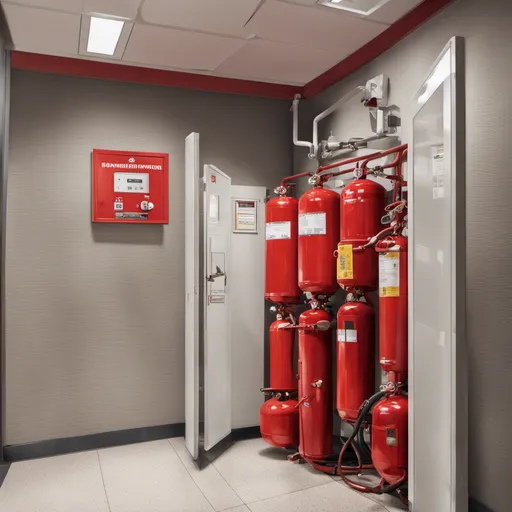
Safety and fire prevention equipment is of paramount importance in commercial establishments to ensure the safety of employees and customers, as well as to protect material assets. It includes a variety of equipment and devices designed to detect, prevent, and extinguish fires.
Smoke detectors and fire alarms are essential equipment for quickly detecting the presence of smoke or abnormal heat, and alerting building occupants in case of fire. These devices allow for rapid action and safe evacuation.
Portable fire extinguishers are used to put out small fires and limit their spread. They must be strategically placed in commercial establishments and regularly inspected and maintained to ensure their proper functioning.
Sprinkler systems, also known as automatic extinguishing systems, are devices that release water or other extinguishing agents as soon as they detect an increase in heat or smoke. They are particularly effective for extinguishing fires in large open spaces.
In addition to this equipment, other safety measures, such as clearly marked emergency exits, emergency evacuation systems, and staff training in fire safety, are also essential to ensure a rapid and effective response in case of fire.
In conclusion, safety and fire prevention equipment plays a crucial role in protecting people and property in commercial establishments. By implementing this equipment and adopting appropriate safety measures, establishments can reduce the risk of fire and ensure everyone’s safety.
Preventive Maintenance for Commercial Equipment
Preventive maintenance of commercial equipment is essential to ensure its proper functioning and extend its lifespan. It involves planning and regularly monitoring maintenance activities to detect and resolve potential problems before they become major. Preventive maintenance includes tasks such as cleaning, lubrication, replacing worn parts, and checking operating parameters. By regularly performing these tasks, costly breakdowns can be avoided, downtime minimized, and equipment performance optimized. It is recommended to follow a well-defined preventive maintenance plan for each piece of commercial equipment.
The Importance of Preventive Maintenance
Preventive maintenance of commercial equipment is of paramount importance to ensure the proper functioning and durability of the equipment. It consists of performing regular and planned maintenance tasks to prevent breakdowns and failures.
One of the main reasons why preventive maintenance is so important is that it allows for detecting and resolving potential problems before they become major. By performing regular inspections, cleaning, and lubricating equipment, signs of deterioration or malfunction can be identified, and necessary measures can be taken to remedy them.
Preventive maintenance also helps extend the lifespan of equipment. By performing appropriate maintenance tasks, wear and degradation of equipment can be reduced, which helps avoid costly repairs or premature replacement of equipment.
Another advantage of preventive maintenance is that it minimizes equipment downtime. By detecting and resolving potential problems before they cause major breakdowns, unforeseen service interruptions can be avoided, and commercial operations can be kept running.
Finally, preventive maintenance helps ensure the safety of employees and customers. By regularly checking equipment and ensuring its proper functioning, dangerous situations can be prevented, and the risk of accidents reduced.
In conclusion, preventive maintenance of commercial equipment is essential to ensure its reliability, durability, and the safety of operations. By investing in preventive maintenance, commercial establishments can minimize repair costs, extend equipment lifespan, and maintain smooth and safe operations.
Planning and Monitoring Preventive Maintenance
Planning and monitoring preventive maintenance are essential aspects to ensure the effectiveness and success of this practice. It is crucial to establish a clear and detailed preventive maintenance plan for each piece of commercial equipment, identifying specific tasks to be performed, maintenance frequencies, and responsibilities.
The first step in planning is to gather necessary information about the equipment, such as user manuals, manufacturer recommendations, and previous maintenance history. This helps determine appropriate maintenance tasks and time intervals between interventions.
Once the preventive maintenance plan is established, it is important to closely monitor its execution. This involves documenting all maintenance activities performed, including dates, tasks completed, and problems encountered. Regular monitoring ensures that all tasks are performed in a timely manner and that potential problems are adequately resolved.
Technology can also be used to facilitate the planning and monitoring of preventive maintenance. Maintenance management software can be used to automate maintenance reminders, generate reports on maintenance activities, and facilitate the management of necessary resources.
In conclusion, planning and monitoring preventive maintenance are essential to guarantee the effectiveness and reliability of this practice. A clear and detailed plan, combined with rigorous monitoring, maximizes the benefits of preventive maintenance by ensuring equipment durability and the continuity of commercial operations.
The benefits of preventive maintenance
Preventive maintenance offers numerous benefits for commercial establishments. By regularly performing planned maintenance tasks, breakdowns can be prevented, equipment lifespan extended, and repair costs reduced.
One of the main advantages of preventive maintenance is the reduction of unplanned downtime. By detecting and resolving potential problems before they cause major breakdowns, unforeseen service interruptions can be avoided, which helps keep commercial operations running and minimizes financial losses.
Preventive maintenance also contributes to improving equipment reliability. By regularly performing inspections, cleanings, and adjustments, wear and degradation of equipment can be reduced, which extends its useful life and avoids premature replacements.
Another advantage of preventive maintenance is the reduction of repair costs. By detecting and resolving potential problems early on, costly repairs and additional damage caused by a major breakdown can be avoided.
Preventive maintenance also helps improve the safety of employees and customers. By regularly checking equipment and ensuring its proper functioning, dangerous situations can be prevented, and the risk of accidents reduced.
In conclusion, preventive maintenance offers numerous benefits to commercial establishments. It reduces unplanned downtime, improves equipment reliability, lowers repair costs, and enhances safety. By investing in preventive maintenance, establishments can optimize their operations, ensure customer satisfaction, and achieve long-term savings.
Troubleshooting Commercial Equipment
Troubleshooting commercial equipment is essential to resolve problems and breakdowns that may occur. It involves identifying and repairing issues, replacing defective parts, and restoring the equipment to proper functioning.
Troubleshooting commercial equipment can be performed by trained internal staff or by specialized professionals. It requires technical skills and in-depth knowledge of the equipment.
When troubleshooting commercial equipment, it is important to follow a systematic approach. This involves identifying the cause of the problem, evaluating repair options, and implementing the most appropriate solution.
In some cases, it may be necessary to call a professional for commercial equipment troubleshooting. This is particularly true when the problem is complex, requires specialized knowledge, or when spare parts are needed.
Identifying Common Problems
Identifying common problems is an essential step in troubleshooting commercial equipment. By knowing the most frequent issues, the cause of the malfunction can be quickly identified, and appropriate measures taken to resolve it.
Here are some common problems encountered with commercial equipment:
1. Electrical problems: This can include blown fuses, damaged cables, or faulty switches.
2. Temperature problems: This can include refrigerators not cooling sufficiently or ovens not heating correctly.
3. Leakage problems: This can include water leaks from dishwashers, washing machines, or cooling systems.
4. Noise problems: This can include noisy fans or compressors, indicating an operational issue.
5. Wear and tear problems: This can include worn or broken parts, requiring replacement.
It is important to note that some problems can be quickly resolved by trained internal staff, while others may require the intervention of a professional.
In conclusion, identifying common problems is crucial for troubleshooting commercial equipment. By knowing the most frequent issues, one can act quickly and effectively to resolve malfunctions and minimize equipment downtime.
Basic Troubleshooting Steps
Basic troubleshooting steps are essential guidelines for resolving common problems with commercial equipment. By following these steps, the cause of the malfunction can be identified, and necessary measures taken to resolve it.
Here are the basic troubleshooting steps:
1. Observation: Examine the equipment closely for any obvious signs of damage or malfunction.
2. Connection check: Ensure that all electrical and plumbing connections are properly secured.
3. Power supply check: Ensure that the equipment is properly supplied with electricity, gas, or water.
4. Cleaning: Perform a thorough cleaning of the equipment to remove any debris or obstructions that could cause problems.
5. Parameter check: Verify the equipment’s settings, such as temperature, pressure, timers, etc., to ensure they are correctly adjusted.
6. Functional test: Perform a functional test to check if the equipment is working correctly after completing the previous steps.
If problems persist after following these steps, it may be necessary to call a professional for more advanced troubleshooting or repairs.
In conclusion, basic troubleshooting steps are an essential guide for resolving common problems with commercial equipment. By following them methodically, many issues can be resolved, and equipment downtime minimized.
When to Call a Professional
When it is necessary to call a professional for commercial equipment troubleshooting, it is important to recognize situations where specialized skills and knowledge are required. Here are some cases where professional intervention is recommended:
- When the problem is complex and requires advanced diagnostics.
- When specific spare parts are needed and must be correctly installed.
- When the equipment is under warranty and requires manufacturer-authorized intervention.
- When troubleshooting requires specific skills, such as repairing electrical systems, refrigeration systems, or control systems.
- When safety is at stake, for example, in cases of gas problems, serious electrical problems, or fire risks.
Calling a professional ensures technical expertise and effective problem resolution. Professionals have the necessary tools, knowledge, and experience to diagnose and repair equipment appropriately and safely.
It is recommended to contact an authorized professional repair service or the manufacturer’s after-sales service for technical assistance and quality repairs.
In conclusion, it is important to call a professional when commercial equipment problems are complex, require specialized skills, or when safety is at stake. Calling a professional ensures effective and safe problem resolution, while ensuring the durability and performance of the equipment.
An expert team at your service
Choosing Bob! Desk and our CMMS software also means choosing a team, based in Paris, available from 8 AM to 10 PM, 6 days a week, to answer any questions you may have.
A passionate, reactive team that loves to toast with its clients! 🍾
See you soon!