

Preventive maintenance planning

Preventive maintenance planning: What you need to know👇
Preventive maintenance planning is a key element for maintenance managers. It helps organize maintenance tasks efficiently to minimize production interruptions and extend equipment lifespan.
Preventive maintenance planning involves identifying equipment that requires regular maintenance, determining maintenance frequency, planning resources and schedules, and tracking and evaluating maintenance activities.
By planning preventive maintenance proactively, maintenance managers can anticipate resource needs, avoid costly breakdowns, and improve equipment reliability. This also helps reduce maintenance costs and improve equipment availability.
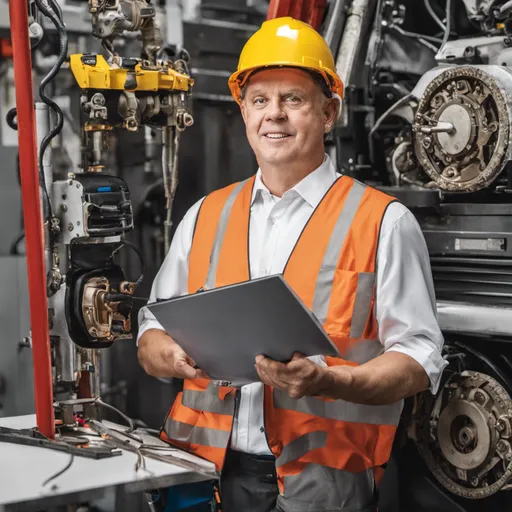
What is a preventive maintenance plan?
Preventive maintenance is a proactive maintenance strategy aimed at preventing equipment breakdowns and failures by carrying out regularly scheduled maintenance actions. Unlike corrective maintenance, which takes place after a breakdown, preventive maintenance helps anticipate potential issues and address them before they occur.
Preventive maintenance includes activities such as inspection, lubrication, replacement of worn parts, cleaning, and equipment adjustment. These actions are carried out according to a predefined schedule, based on the frequency recommended by manufacturers or on the experience and knowledge of maintenance managers.
The benefits of preventive maintenance are numerous. First, it helps reduce unplanned downtime by preventing breakdowns and failures. This results in improved equipment availability and increased company productivity. In addition, preventive maintenance helps extend equipment lifespan by keeping it in good working condition.
By planning preventive maintenance effectively, maintenance managers can optimize the use of resources by avoiding unnecessary interventions and focusing on the most critical equipment. This helps optimize maintenance costs and maximize company profitability.
Preventive maintenance is an essential strategy to ensure equipment reliability, availability, and lifespan. By planning and carrying out preventive maintenance actions regularly, companies can improve operational efficiency, reduce maintenance costs, and avoid costly production interruptions.
Steps to plan preventive maintenance
Next, it is important to determine the maintenance frequency for each piece of equipment. This will depend on several factors such as the manufacturer’s recommendations, equipment usage, and working conditions.
Once the maintenance frequency has been determined, resources and schedules can be planned. This involves assigning maintenance technicians to specific tasks and setting maintenance schedules based on equipment availability and production constraints.
It is also important to implement a system for tracking and evaluating preventive maintenance. This makes it possible to measure the effectiveness of maintenance actions, identify recurring issues, and make the necessary adjustments.
Finally, there are preventive maintenance planning tools such as maintenance management software, calendars, and tracking tables. These tools make it easier to manage and organize preventive maintenance activities.
Equipment and maintenance task analysis
Analyzing equipment and maintenance tasks is an essential step in preventive maintenance planning. It involves assessing each piece of equipment to determine the required maintenance actions and the corresponding frequencies.
To carry out an in-depth analysis, it is important to gather information on each piece of equipment, such as technical specifications, manufacturer recommendations, breakdown history, and performance data. This provides a clear view of maintenance needs for each asset.
Once the information has been collected, it is possible to identify the maintenance tasks required to ensure each piece of equipment operates properly. This may include actions such as lubrication, cleaning, replacement of worn parts, safety checks, etc.
It is also important to determine the maintenance frequency for each task. This frequency can be set based on the manufacturer’s recommendations, the maintenance team’s experience, and the specific characteristics of each piece of equipment.
By carrying out an in-depth analysis of equipment and maintenance tasks, maintenance managers can establish a robust preventive maintenance plan. This enables them to prioritize maintenance actions, allocate resources efficiently, and minimize unplanned downtime.
Analyzing equipment and maintenance tasks is a key step in preventive maintenance planning. It helps identify maintenance needs specific to each piece of equipment, determine the required actions, and set the corresponding frequencies. By conducting an in-depth analysis, maintenance managers can optimize maintenance activities and ensure equipment operates properly in a proactive manner.
Determining maintenance frequency
Determining maintenance frequency is an essential step in preventive maintenance planning. It involves establishing how often maintenance actions must be performed for each piece of equipment.
To determine maintenance frequency, several factors must be considered. First, manufacturer recommendations are a valuable source of information. Manufacturers often provide guidelines on the recommended maintenance frequency for their equipment.
Next, equipment usage plays an important role in determining maintenance frequency. Equipment used intensively may require more frequent maintenance than equipment used less intensively.
Working conditions must also be taken into account. Some work environments may be more demanding on equipment, which can require a higher maintenance frequency.
Finally, the maintenance team’s experience and knowledge are valuable for determining maintenance frequency. Maintenance staff may have an in-depth understanding of the equipment and be able to determine the appropriate maintenance frequency based on their experience.
By combining these factors, maintenance managers can determine the optimal maintenance frequency for each piece of equipment. It is important to note that this frequency can be adjusted over time based on maintenance results and changes in working conditions.
Determining maintenance frequency is a crucial step to ensure effective preventive maintenance. By taking into account manufacturer recommendations, equipment usage, working conditions, and the maintenance team’s experience, maintenance managers can establish a well-balanced preventive maintenance plan tailored to each piece of equipment.
Resource and schedule planning
Resource and schedule planning is a crucial step in preventive maintenance planning. It aims to allocate human resources efficiently and define maintenance schedules for each piece of equipment.
To plan resources, it is important to consider the maintenance team’s skills and availability. It may be necessary to train staff in specific skills to perform certain maintenance tasks. In addition, it is important to ensure staff are available to carry out the planned maintenance tasks.
Regarding maintenance schedules, it is important to consider equipment availability and production constraints. It may be necessary to schedule maintenance tasks during low-activity periods or production shutdowns. This helps minimize production interruptions and maximize equipment utilization.
It is also important to consider spare-part delivery lead times and ensure they are available before scheduling maintenance. This prevents delays and additional interruptions when carrying out maintenance tasks.
By planning resources and schedules effectively, maintenance managers can optimize resource utilization, minimize unplanned downtime, and improve overall productivity.
Resource and schedule planning is an essential step to ensure effective preventive maintenance. By taking into account staff skills, equipment availability, production constraints, and spare-part delivery lead times, maintenance managers can organize maintenance tasks optimally and minimize production interruptions.

Tracking and evaluating preventive maintenance
Tracking and evaluating preventive maintenance are essential steps to ensure effectiveness and continuous improvement of the maintenance process. These steps make it possible to measure preventive maintenance results and make the necessary adjustments.
To track preventive maintenance, it is important to implement a tracking system that records completed maintenance actions, planned and unplanned downtime, and associated costs. This helps keep a record of maintenance activities and detect trends or recurring issues.
Evaluating preventive maintenance involves analyzing maintenance results and comparing them with the objectives set. This makes it possible to measure the effectiveness of maintenance actions, identify possible improvements, and make decisions based on concrete data.
It is also important to involve maintenance technicians in tracking and evaluation. Their expertise and experience can provide valuable insights into equipment performance and possible improvements.
By using tools such as key performance indicators (KPIs), dashboards, and analysis reports, maintenance managers can proactively track and evaluate preventive maintenance.
Tracking and evaluating preventive maintenance are crucial steps to ensure effectiveness and continuous improvement of the maintenance process. By implementing a tracking system, analyzing results, and involving maintenance technicians, maintenance managers can optimize maintenance activities and ensure equipment operates properly in a proactive manner.
Preventive maintenance planning tools
By using these preventive maintenance planning tools, maintenance managers can improve the efficiency and reliability of maintenance activities, minimize unplanned downtime, and extend equipment lifespan.
Maintenance management software
Maintenance management software is an indispensable tool for maintenance managers. It helps manage preventive maintenance activities efficiently by providing advanced features for planning, tracking, and analysis.
This software offers a user-friendly interface that makes it easy to create and manage maintenance tasks. Maintenance managers can schedule tasks based on the recommended frequency, resource availability, and production constraints. They can also track task progress, record maintenance time, and generate detailed analysis reports.
Maintenance management software also enables centralized equipment management. Maintenance managers can record information specific to each asset, such as technical specifications, maintenance histories, warranties, and required spare parts. This facilitates the planning and execution of maintenance tasks.
In addition to planning and tracking, maintenance management software also offers advanced analytics features. Maintenance managers can analyze maintenance data to identify trends, recurring issues, and opportunities for improvement. This helps optimize maintenance activities and make decisions based on concrete data.
Maintenance management software is a powerful tool for maintenance managers. It enables effective planning, accurate tracking, and in-depth analysis of preventive maintenance activities. By using this software, maintenance managers can improve operational efficiency, reduce downtime, and extend equipment lifespan.
Calendars and tracking tables
Calendars and tracking tables are essential tools in preventive maintenance management. They make it possible to visualize and organize maintenance tasks, schedules, and associated resources.
Calendars are used to schedule maintenance tasks based on the recommended frequency, resource availability, and production constraints. They make it easy to see which tasks are planned for when, which facilitates coordination and management of maintenance activities.
Tracking tables, on the other hand, make it possible to monitor task progress, record maintenance time, and document results. They provide an overview of ongoing maintenance activities and help detect delays or potential issues.
These visual tools are often displayed in strategic locations, such as maintenance offices or work areas, so that all staff can consult them easily. This promotes transparency and communication within the maintenance team.
In addition, calendars and tracking tables can be used to generate analysis reports. By recording maintenance data and visualizing it on these tools, maintenance managers can analyze trends, assess performance, and make decisions based on concrete data.
Calendars and tracking tables are indispensable tools in preventive maintenance management. They help organize, track, and document maintenance activities clearly and efficiently. By using these tools, maintenance managers can optimize operations, minimize downtime, and ensure equipment reliability.
Training and communication for effective planning
Communication is also essential to ensure effective planning. Maintenance managers must clearly communicate preventive maintenance objectives, schedules, and available resources. They must also encourage communication among maintenance team members to share information and resolve issues collaboratively.
It is also important to communicate with other departments in the company to coordinate maintenance activities with other operations. This may include communicating with the production department to plan downtime, the purchasing department to ensure spare-part availability, and other relevant departments.
Training and communication are key elements for ensuring effective preventive maintenance planning. By training maintenance staff and fostering communication within the team and with other departments, maintenance managers can optimize maintenance activities and ensure equipment operates properly in a coordinated and collaborative manner.
Training maintenance staff
Training maintenance staff is an essential step to ensure effective preventive maintenance planning. It helps ensure that maintenance team members have the skills and knowledge needed to carry out maintenance tasks effectively and safely.
Training can include several aspects, such as familiarization with the specific equipment used in the company, preventive maintenance procedures, the use of planning tools, and understanding the objectives and expectations related to preventive maintenance.
It is important to provide both practical and theoretical training. This may include classroom training sessions, on-site demonstration sessions, and practical exercises to enable team members to apply their knowledge.
Ongoing training is also important to help team members stay up to date with new technologies, new procedures, and best practices in preventive maintenance. This may include seminars, online training, and professional development opportunities.
By investing in training maintenance staff, companies can improve operational efficiency, reduce maintenance-related errors and accidents, and extend equipment lifespan.
Training maintenance staff is a key element for ensuring effective preventive maintenance planning. By training team members in the necessary skills and knowledge, companies can optimize maintenance activities, improve equipment reliability, and ensure worker safety.
Communication with other departments
Communication with other departments is crucial to ensure effective preventive maintenance planning. It helps coordinate maintenance activities with other company operations and ensures smooth collaboration.
It is important to communicate with the production department to plan the downtime required to carry out preventive maintenance tasks. This helps minimize production interruptions and ensures maintenance activities are carried out in a timely and effective manner.
Communication with the purchasing department is also important to ensure the availability of the spare parts required for preventive maintenance. By communicating spare-part needs in advance, maintenance managers can avoid delays and ensure equipment is kept in good working condition.
Communication with other relevant departments, such as health and safety, can help identify potential risks related to preventive maintenance and take the necessary measures to ensure worker safety.
Communication can take place through regular meetings, status reports, emails, or any other appropriate means of communication. It is important to share relevant information, clarify expectations, and resolve issues collaboratively.
Communication with other departments is essential for effective preventive maintenance planning. By coordinating maintenance activities with other company operations, maintenance managers can optimize resources, minimize production interruptions, and ensure worker safety.
An expert team at your service
Choosing Bob! Desk and our CMMS software also means choosing a team, based in Paris, available from 8 AM to 10 PM, 6 days a week, to answer any questions you may have.
A passionate, reactive team that loves to toast with its clients! 🍾
See you soon!